Through detailed articles, practical guides, and expert insights, we cover topics like early learning strategies, emotional and social development, behavior management, and effective parenting techniques. Whether you're seeking advice for your toddler's milestones, ways to handle challenging behaviors, or parenting tips for fostering a loving family environment, we’re here to support you every step of the way.

A Guide for ParentsUnderstanding the significance of honesty in child development is crucial for parents and caregivers. Honesty forms the bedrock of trust within family dynamics, directly influencing a child's emotional security and social skills. Research from the University of California underscores that kids raised in truthful environments develop stronger familial bonds, equipping them for healthier interactions outside home. The Role of Honesty in Self-EsteemEncouraging honesty boosts a child's self-esteem. Studies from the Journal of Child Development indicate a correlation between honesty and self-worth—children who are encouraged to express their feelings and thoughts honestly tend to develop a stronger sense of identity and accountability. This positive feedback loop promotes ethical behavior and responsible decision-making. Strategies to Foster Honest Behavior in Children 1. Model Honest BehaviorParents must consistently demonstrate honesty, as children learn through observation. By openly discussing their own mistakes, caregivers can show that vulnerability is a strength, fostering a culture of transparency. 2. Encourage Open ConversationsCreate a safe space for your children to share their thoughts without fear of judgment. Regular family discussions can help solidify the importance of truthfulness and trust in relationships. 3. Utilize Role-Playing ExercisesEngaging children in role-play scenarios allows them to practice making honest choices in a safe setting. This hands-on approach can prepare them for real-life ethical dilemmas. 4. Recognize and Reward HonestyCelebrating instances of honesty with verbal praise or simple rewards instills a culture where truthfulness is valued. Research highlights that positive reinforcement is effective in promoting ethical behavior. 5. Educational Media and StoriesIncorporating books and media that highlight themes of honesty can foster discussions and moral reasoning. Engaging stories allow children to relate to characters facing dilemmas, reinforcing the value of being truthful. Understanding the Consequences of DishonestyIt's crucial for children to understand the implications of dishonest behavior. Social consequences, such as strained relationships and feelings of guilt, highlight why honesty matters. Teaching kids about the ramifications of dishonesty encourages them to embrace ethical behavior, setting the foundation for trust in their adult lives. Building a Trusting EnvironmentEstablishing trust is essential for honest communication. When children feel supported and understood, they are more likely to express their thoughts openly. Remember, a trusting relationship between parent and child cultivates a safe space for sharing truths.Creating an environment that promotes honesty strengthens not only individual character but also familial bonds. By establishing clear guidelines, encouraging open dialogue, and modeling honest behavior, parents can help their children develop into trustworthy, ethical individuals.In conclusion, emphasizing the importance of honesty in childhood can have profound effects on a child's development. The skills learned in these formative years will carry into adulthood, shaping healthier relationships and more fulfilling lives. Embrace honesty as a core value in your parenting journey and watch as your children thrive.
Jan 29, 2026

A Guide for Parents and EducatorsPositive discipline is a transformative approach aimed at teaching children appropriate behavior through understanding, respect, and support rather than punishment. It emphasizes the idea that children learn best when they feel valued and connected, fostering a sense of belonging and encouraging cooperation. This method builds strong adult-child relationships, enabling open communication and effective conflict resolution. Key Principles of Positive DisciplineAt the heart of positive discipline are four core values: mutual respect, skill development, cooperative behavior, and teaching rather than punishing. When children feel acknowledged, they are more likely to take ownership of their actions. Clear expectations and consistent routines are crucial for creating a nurturing environment where children feel secure and can thrive.Educators and parents are encouraged to use age-appropriate language while discussing behavior, which ensures children understand consequences without feeling blamed. Active listening further strengthens communication, validating children's emotions and fostering a safe space for learning. Practical Techniques for ImplementationAdopting positive discipline techniques involves several effective strategies:- Natural Consequences: Allowing children to experience the results of their actions in a safe, guided manner helps instill accountability without punishment.- Setting Clear Limits with Empathy: Explaining disruptive behaviors and suggesting alternatives nurtures self-regulation without inducing shame.- Positive Reinforcement: Celebrating small achievements motivates children and reinforces desirable behaviors.- Involving Children in Problem-Solving: Encouraging children to think critically about their actions cultivates a sense of responsibility and ownership. Impact on Child DevelopmentResearch shows that positive discipline positively influences long-term child development. Children who consistently experience supportive discipline develop self-discipline, resilience, and emotional intelligence—skills that are invaluable throughout their lives. They learn to view mistakes as growth opportunities, essential for developing a growth mindset. Creating Supportive EnvironmentsFostering positive environments is crucial both at home and in schools. Supportive settings enhance academic performance and social skills, offering children a safe space for expression. Parents and educators must collaborate, utilizing open communication to strengthen relationships and maintain mutual respect. Techniques like restorative practices in schools can successfully resolve conflicts, promoting restorative dialogue over punitive measures.Ultimately, engaging parents in educational processes, through communication and volunteer opportunities, reinforces the idea that both home and school work in tandem to support children's holistic development. Continuous Assessment and AdaptationCreating a positive environment requires ongoing evaluation and adaptation of strategies. Feedback from children can provide valuable insights, allowing adults to adjust their approaches to meet evolving needs. This collaborative effort leads to significant, long-lasting benefits for children's emotional and social well-being.In embracing positive discipline, both parents and educators can cultivate environments conducive to learning, encouraging children to thrive emotionally, socially, and academically.
Jan 29, 2026

Recognizing and Managing Challenging Behaviors in ChildrenAs parents, navigating through challenging behaviors in children can be a daunting task. This comprehensive guide aims to unveil the root causes of these behaviors and provides practical strategies for effective management. Understanding the underlying reasons for challenging behaviors is crucial in fostering a positive environment for your child. Identifying Environmental TriggersRecognizing how environmental factors affect your child’s behavior is essential. Changes in routine, classroom dynamics, or household disruptions can be significant triggers. Keeping a daily journal of your child's reactions in different settings can help you identify specific provocations, guiding your response with greater empathy. Understanding Developmental StagesEvery child goes through distinct developmental stages that can bring about challenging behaviors. From toddlers experiencing tantrums as they assert independence to adolescents exploring their identity, parents should approach these behaviors with understanding. Acknowledging these milestones allows parents to respond with empathy rather than frustration. The Role of CommunicationEffective communication is fundamental in managing behavioral challenges. Each child has a unique response to communication styles, which means adapting your approach is key. Using a supportive tone, active listening, and expressing expectations clearly can create a more cooperative atmosphere. Emotional Well-Being MattersChallenging behaviors often stem from emotional issues such as anxiety or frustration. Encouraging children to express their feelings through tools like emotion charts can enhance emotional literacy. Maintaining an open dialogue about emotions fosters a supportive space for dealing with underlying issues. Adaptable Parenting ApproachesFlexibility in parenting style is crucial. Regularly reassessing your approach helps identify what works best for your child. Striking a balance between guidance and freedom promotes teamwork and responsibility in children, preventing confusion regarding rules and expectations. Seeking Professional AssistanceWhen behaviors become particularly challenging, seeking help from behavioral therapists or child psychologists can provide tailored strategies. Professional insights and support groups can empower parents and connect them with resources for better managing behaviors. Responding with EmpathyInstead of resorting to traditional discipline, approaching behavior challenges with empathy can yield better outcomes. Active listening, validating feelings, and utilizing techniques like 'time-ins' can provide children with the tools to self-regulate their emotions positively. Implementing Positive ReinforcementPositive reinforcement enhances desirable behaviors, creating lasting change. Methods such as verbal praise, tangible rewards, and structured reinforcement plans can significantly boost self-esteem and motivation, enhancing long-term behavior positively. Structuring a Consistent EnvironmentCreating a structured environment with clear expectations is essential. Establishing routines and utilizing positive reinforcement fosters security and predictability in children, reducing anxiety and promoting positive behaviors. Continuing Support and EducationStaying informed about your child’s needs and behavioral strategies is vital. Collaborating with educators, participating in parent support groups, and continually educating yourself on child psychology can enhance your understanding and management of challenging behaviors. ConclusionBy recognizing the roots of challenging behaviors and employing empathetic, informed strategies, parents can foster a nurturing environment that supports their child's growth and emotional well-being. Remember, connecting with professionals and utilizing community resources can enrich your parenting journey.
Jan 29, 2026

Encouraging Scientific Curiosity in ChildrenNurturing a child's curiosity about the world around them is vital for fostering a lifelong love of learning. This guide presents various strategies and activities that encourage exploration, critical thinking, and inquiry-based learning in children, tailoring an engaging scientific experience both indoors and outdoors. Types of Questions to Foster ExplorationOpen-ended questions are crucial in nurturing scientific curiosity. Instead of asking yes-or-no questions, encourage deeper thinking by asking, What did you find surprising about the experiment? Predictive questions like, What do you think will happen if we change this variable? help develop a child's ability to hypothesize and engage with scientific concepts. Asking relatable questions, such as, How do you think plants grow in different environments? can connect science to everyday observations.Research shows that children who consistently engage in inquiry-based learning display higher cognitive functions and problem-solving abilities. They learn to approach complex topics with curiosity, preparing them for future challenges. Creating a Science-Friendly EnvironmentEstablishing a nurturing atmosphere is key to fostering curiosity. Surround children with science-related materials—books, hands-on activities, and discussions that stimulate their inquisitive minds. Designate a specific area for scientific exploration filled with essential tools, and regularly update it with new resources to inspire ongoing engagement. Family involvement, such as hosting “science nights,” reinforces the importance of a scientific mindset. Hands-On Experiments and ActivitiesEngaging in simple home experiments significantly enhances a child's interest in science. Activities like creating a homemade volcano or building a small garden teach essential scientific concepts while being fun. Incorporate structured activities that promote critical thinking, encourage creativity, and develop observational skills through nature walks and other firsthand experiences.Outdoor exploration, such as scavenger hunts or visits to science museums, enriches children's understanding of the world, enhancing their observational skills while connecting them with nature. Encouraging Exploration of NatureSpending time in nature promotes cognitive development, enhances mood, and stimulates creativity. Encourage safe outdoor activities that correspond with your child's age and interests, such as nature walks or hiking. Incorporate technology responsibly by using apps that help identify plants and animals, enriching their outdoor discoveries. Building Observation Skills and Creating a Sustainable MindsetFoster observational skills by encouraging children to notice details in their environment and document their findings. Engaging in activities that promote responsibility toward the environment, like tree planting or local conservation efforts, instills a sense of sustainability, encouraging them to appreciate and protect their surroundings. Fostering Family and Community ConnectionsFamily outings focused on nature exploration create lasting memories and enhance relationships, allowing children to learn in a relaxed and supportive setting. Joining local nature clubs or community workshops expands their social circle and nurtures collaboration among peers. Embracing Technology and ResourcesIn today’s digital age, combining technology with hands-on learning is crucial. Platforms like Scratch and Tinkercad provide creative coding and design experiences, enhancing engagement and retention in scientific education. Take advantage of community resources and online platforms for hands-on experiments that make learning science fun and accessible.By fostering an environment that encourages curiosity, exploration, and utilization of resources adeptly, you can effectively nurture your child's inner scientist and ensure a fulfilling educational journey.
Jan 29, 2026

- Sound Matching Games: Help children connect sounds with corresponding images, improving their recognition skills.- Letter Hunts: Encourage children to find objects starting with a specific letter sound, linking abstract concepts to real-life examples.- Phonics Storytime: Use interactive storytelling to reinforce phonetic sounds within narratives, aiding comprehension and vocabulary development. The Role of ParentsParental involvement is crucial in reinforcing phonics education at home. Activities such as reading aloud and playing educational games strengthen phonics concepts and create quality bonding time. Parents can motivate their children by integrating phonics in daily routines, fostering a love for language and reading. Effective ResourcesVarious educational resources support phonics learning, including mobile apps and online platforms customized for preschoolers. Utilizing engaging educational materials can significantly enhance children's learning experiences and motivation. Challenges in Phonics InstructionDespite its benefits, phonics instruction comes with challenges. Each child learns at a different pace, requiring parents and educators to personalize their teaching approaches. Moreover, making phonics lessons engaging is vital to maintaining children's interest in learning. By incorporating diverse activities rather than relying solely on traditional methods, educators can keep students enthusiastic about phonics.Combining phonics with music, arts, and hands-on activities not only enriches the learning experience but also caters to various learning styles. Creating environments that encourage creativity alongside structured learning solidifies literacy skills and helps preschoolers embrace their reading journey. Closing ThoughtsInvesting in early phonics instruction is paramount for laying a solid foundation for a child's educational journey. With the right resources, engaging activities, and strong parental support, children can thrive in their reading and overall literacy development, setting them up for future academic achievement.
Jan 29, 2026

Develop Problem-Solving Skills for Academic and Personal SuccessIn today's fast-paced world, problem-solving skills are more important than ever, especially for children. These essential abilities not only enable kids to navigate challenges effectively, but also equip them for lifelong learning and resilience. By developing skills such as critical thinking, creativity, and analytical reasoning early on, children become better prepared to face academic obstacles, social situations, and personal dilemmas. The Importance of Problem-Solving SkillsResearch has shown that engaging children in problem-solving activities can promote cognitive flexibility and enhance their intellectual curiosity. For example, studies indicate that children who regularly tackle puzzles or analytical tasks display marked improvements in reasoning and logical thinking skills. This foundation is crucial for success in subjects like mathematics and science, where a methodical approach to problem-solving is paramount. Active Learning and CreativityIncorporating hands-on, experiential learning into educational settings significantly boosts engagement and performance. Kids involved in practical problem-solving activities show an impressive increase in their overall grades, indicating that they not only master the material but also enjoy the process of learning. Furthermore, engaging children in creative problem-solving, through group challenges or design projects, encourages them to think outside the box, fostering resilience and adaptability. Practical Activities for Skill DevelopmentParents and educators can promote problem-solving skills through various engaging activities. Logic games, outdoor scavenger hunts, and collaborative projects allow children to use critical thinking and navigate challenges creatively. For example, playing logic puzzles sharpens their analytical skills, while group tasks enhance their communication and negotiation abilities. Additionally, incorporating technology through educational apps creates lively, interactive learning experiences that align with modern teaching methods. Real-Life Applications and ResilienceExposure to real-life problems not only improves children's critical thinking but also helps them connect learning to practical applications. Projects focusing on community issues foster responsibility and motivation, making learning relevant and engaging. Moreover, teaching children to see mistakes as valuable opportunities for growth equips them with the resilience needed to thrive in both academic and personal aspects of life. Building Collaborative SkillsEffective collaboration is vital for problem-solving success. By creating group projects and challenging children to brainstorm solutions together, educators cultivate teamwork and enhance communication skills. Activities that promote peer feedback and cooperative strategies prepare children for real-world interpersonal dynamics, valuable traits that contribute to their growth as well-rounded individuals. Long-term BenefitsThe development of robust problem-solving skills in childhood extends well into adulthood. Individuals who can think critically and make informed decisions excel in the workplace and maintain better mental health. Research has shown that those with strong problem-solving abilities experience reduced stress and improved interpersonal relationships throughout their lives.In conclusion, nurturing problem-solving skills through engaging activities, collaboration, and real-life experiences is essential for any child's development. By fostering these abilities early on, we equip them with the tools necessary for success, creativity, and resilience. Start implementing fun problem-solving strategies today and watch as your child flourishes in all areas of life!
Jan 29, 2026

Embracing the ProcessPromoting perseverance in child development means focusing on the learning journey, not just the outcomes. By integrating supportive environments at home and in school, children learn that perseverance is a valuable skill that can lead to lifelong success. Additional Strategies for Parents and Educators- Encouraging Goal-Setting: Help children set and achieve realistic goals to enhance motivation.- Fostering Collaboration: Engage kids in group activities to strengthen community bonds and promote teamwork.- Providing Constructive Feedback: Use positive feedback to help children understand their growth areas without discouraging them.The journey to nurturing perseverance is essential, as it lays the groundwork for resilience, confidence, and ultimately, success in life.
Jan 29, 2026

A Guide for Parents Understanding Key Developmental MilestonesDevelopmental milestones are essential markers that indicate a child's growth across several domains, including cognitive, physical, and social-emotional skills. Tracking these milestones—such as when a child starts to babble at around six months or walks between 10 to 14 months—helps parents set realistic expectations. Each child develops at their own pace, influenced by their unique experiences and environment.The CDC offers comprehensive developmental milestone checklists, which are invaluable tools for parents. Regular monitoring can help identify areas where a child may need extra support, leading to timely interventions that can significantly enhance development. Strategies for Supporting Developmental ProgressFostering your child's development can be achieved through interactive play and structured daily routines. Activities like reading, singing, and engaging in creative play with building blocks can enhance fine motor and language skills. Social interactions are equally crucial—arranging playdates helps children practice cooperation and empathy. These foundations are vital for their long-term social skills.Additionally, joining local parenting groups provides a strong support network for exchanging parenting strategies, offering reassurance during challenging times. Identifying and Addressing Developmental ChallengesEvery child faces unique developmental challenges, such as speech delays or issues in social interactions. Early identification is key; understanding typical developmental timelines can help pinpoint when professional advice is needed. Guidelines from the CDC outline what to look for at various ages.Effective communication strategies, including active listening and using clear language, can mitigate misunderstandings during challenging times. These strategies foster a trusting environment that enhances a child’s communication skills. Professional Guidance: When and How to Seek HelpWhen developmental concerns arise, consulting professionals is a proactive approach. Pediatricians, child psychologists, and speech therapists offer specialized insights and tailored strategies. Early intervention is proven to improve long-term developmental outcomes, emphasizing the need for regular assessments.To prepare for consultations, document your child’s behaviors and milestones, allowing for focused discussions that can yield effective strategies for support. Celebrating Achievements TogetherRecognizing and celebrating individual milestones is crucial for a child's self-esteem. Parents should keep track of achievements, from first words to new skills. Celebrating these milestones fosters a positive learning environment and motivates children to strive for further accomplishments. Creating a nurturing home atmosphere enhances exploration and learning. Encourage creativity with varied educational materials and model a positive attitude towards learning. Regularly celebrating achievements can instill a sense of pride and motivate children to overcome challenges. ConclusionUnderstanding developmental milestones, employing effective support strategies, seeking timely professional assistance, and celebrating achievements are all integral to nurturing your child's growth. With attentive and proactive parenting, you can help guide your child through their developmental journey, ensuring they flourish in their unique way.
Jan 29, 2026

Strategies to Enhance Connections Understanding the Importance of Family TimeQuality family time is essential for nurturing emotional bonds among family members. According to research by the National Institute of Child Health and Human Development, families that prioritize shared time experience stronger relationships and improved academic and social performance in children. Establishing consistent family routines, such as dinners or weekend activities, fosters a sense of belonging and security. In our increasingly digital world, prioritizing face-to-face interactions can significantly improve family dynamics. Strategies for Quality Family InteractionsScheduling regular family meetings is an effective way to enhance communication and cohesion. These gatherings offer a platform for sharing thoughts and reducing misunderstandings. Additionally, creating family traditions—be it a monthly game night or annual camping trip—provides lasting memories and teaches teamwork and commitment. Utilizing Technology to Enhance Family TimeIn our tech-savvy era, integrating technology can serve to enhance family time. Shared calendars and communication apps help coordinate schedules and maintain strong connections. Video calls also enable families to bond across distances, while collaborative online activities offer shared experiences that foster closeness. Encouraging Open CommunicationOpen communication is vital for a healthy family unit. Creating a safe space for conversations involves active listening and validation of feelings. Regular family check-ins cultivate a culture of respect and prove beneficial for emotional intelligence. Encouraging family members to share their experiences fosters empathy and strengthens relationships. Active Listening TechniquesPracticing active listening promotes understanding and minimizes conflicts. Techniques like paraphrasing or providing verbal affirmations can enhance dialogues, fostering a respectful communication atmosphere. Utilizing Technology for CommunicationUsing apps for family organization and communication can facilitate ongoing dialogue around shared responsibilities and schedules, helping family members feel informed and engaged. Creating Shared TraditionsFamily traditions increase satisfaction and cohesiveness, as highlighted in research from the *Journal of Family Psychology*. Simple practices like weekly dinners or seasonal celebrations boost connections and provide a framework for transmitting cultural values. Practicing Gratitude TogetherIncorporating gratitude into family life plays a significant role in enhancing emotional bonds. Regularly expressing appreciation leads to a positive atmosphere and can help families navigate challenges more effectively. Ideas for practicing gratitude include gratitude jars, sharing sessions during meals, and keeping a family gratitude journal. Engaging in Collaborative ProjectsCollaborative projects can significantly strengthen family ties. Working together fosters teamwork and communication skills, which contribute to a strong family dynamic. Engaging in home improvement, volunteering, or creative projects not only enhances relationships but teaches responsibility and social values. ConclusionPrioritizing quality family time, facilitating open communication, and establishing traditions are key components for nurturing strong family relationships. By actively engaging in these strategies, families can create a supportive, loving environment that fosters resilience and cohesion, ultimately leading to a happier family life.
Jan 29, 2026

Definitions and TypesSocial skills encompass various behaviors, including verbal and nonverbal communication. Skills like empathy and active listening are critical for fostering positive peer interactions, which are crucial for childhood development. Children equipped with these skills tend to navigate social settings confidently, setting the foundation for further academic and social success. The Role of Social Skills in Academic SuccessResearch suggests that children who develop strong social skills often experience better academic outcomes. Interpersonal skills enhance collaboration in group projects, leading to improved behavior in the classroom and stronger teacher-student relationships. Active participation boosts children's confidence and understanding of subject matter, making social skills integral to their overall educational experience. The Impact of Family Environment on DevelopmentA supportive family environment is fundamental in shaping a child's social abilities. Parents who model effective communication create a framework for their children to engage similarly. Encouraging playdates and diverse group activities allows young ones to practice social interactions and navigate complex personalities and conflicts, thus preparing them for future challenges. Practical Strategies for Enhancing Social SkillsEducators and parents can implement several strategies to nurture social skills:1. Encourage Group Activities: Participation in team sports or cooperative learning facilitates teamwork and problem-solving.2. Role-Playing: This technique helps children practice responses to various social scenarios, increasing confidence in real-life situations.3. Games Focused on Turn-Taking: Simple games can teach younger children vital sharing and interactive skills. Key Social Skills Every Child Should Develop Understanding EmpathyEmpathy enables children to sense and respond to the feelings of others. Engaging in collaborative activities and discussing emotional scenarios in stories helps cultivate this essential skill. Effective Communication TechniquesChildren should learn to express their thoughts clearly and understand the importance of nonverbal cues. Parents can encourage them to practice communication in various settings to enhance their social interactions. Conflict Resolution StrategiesTeaching children how to resolve conflicts respectfully is critical to their social growth. Approaching disagreements with calmness fosters a grounding method for maintaining relationships. Building Teamwork AbilitiesTeamwork experiences—whether in sports or projects—teach children to appreciate diverse perspectives and work towards common goals, fostering a sense of belonging. Strategies for Parents to Support DevelopmentParents play a significant role in their children's social skill development. Facilitating playdates, modeling appropriate behaviors, and encouraging open discussions about social norms can greatly contribute to children's success in navigating social contexts. When to Seek Professional HelpRecognizing when a child's social struggles require professional help is crucial. Signs may include repeated withdrawal from peer interactions or significant anxiety during social engagements. If traditional strategies don't show improvement, seeking guidance from mental health professionals can provide tailored support. ConclusionSocial skills are fundamental for children's development and long-term success. By understanding their importance and actively fostering them through practical strategies, parents and educators can help children grow into well-adjusted individuals capable of navigating the complexities of social interactions.
Jan 28, 2026

Understanding and Managing Separation Anxiety in ChildrenSeparation anxiety is a common challenge faced by many children, characterized by excessive fear or worry about being apart from their primary caregivers. Identifying the signs early can be crucial for effective management. This guide outlines the physical symptoms, behavioral changes, emotional indicators, and strategies for parents to support their children through these difficult times. Recognizing the Signs of Separation Anxiety Physical SymptomsSeparation anxiety can manifest through various physical symptoms, including excessive sweating, trembling, and headaches. Children may experience stomach aches, particularly in anticipation of school or other separations. Sleep disturbances like nightmares related to parting from a parent further indicate distress, impacting daily functioning and well-being. Behavioral ChangesLook for increased clinginess during transitions, tantrums, or withdrawal from social situations. Children often demonstrate difficulty engaging in activities without a caregiver's presence, reinforcing their anxiety. Addressing these behaviors early can help foster confidence and reduce distress. Emotional IndicatorsEmotional responses, like sadness or heightened sensitivity, are important signs of separation anxiety. Children might worry excessively about what could happen during separations. Responding to these feelings with empathy helps them feel validated and supported. The Impact on Daily LifeSeparation anxiety can also disrupt school performance and social interactions. Children may frequently attempt to avoid situations involving separation, which can lead to feelings of isolation and inadequacy if not addressed. Monitoring these signs ensures timely interventions that can significantly improve their quality of life. Preventive Measures and Support Strategies Establish a Consistent RoutineCreating a predictable daily schedule is vital in alleviating anxiety. By structuring activities and incorporating transition periods, such as brief pre-separation rituals, parents can help children anticipate parting with a sense of security. Gradual Exposure TechniquesEmploying gradual exposure to separation through short periods of absence can significantly reduce anxiety over time. Positive reinforcement during successful separations builds confidence and encourages resilience in children. Open CommunicationEncourage children to express their feelings openly about separation. Using age-appropriate language and tools can enhance their understanding and help them articulate their emotions better. Regular conversations about emotions can foster healthier coping mechanisms in the long run. Professional HelpIf separation anxiety persists or intensifies, it may be necessary to seek professional assistance from child psychologists or counselors. Therapeutic interventions, such as Cognitive Behavioral Therapy (CBT), are effective in managing anxiety and empowering children with coping strategies. ConclusionWhile common, separation anxiety can lead to more severe issues if left untreated. By recognizing the signs early, establishing supportive environments, and seeking professional help when necessary, parents can help their children navigate their emotions effectively, fostering resilience and emotional well-being. Early intervention is key to ensuring that separation anxiety does not hinder a child’s development and happiness.---This comprehensive guide aims to equip parents with the knowledge and tools necessary to support their children effectively, emphasizing the importance of monitoring behaviors and responding appropriately to their emotional needs.
Jan 28, 2026

A Guide to Engaging PreschoolersMathematics is a vital part of daily life, even for preschoolers. Encouraging counting, shape recognition, measurement, and pattern creation through everyday activities can significantly enhance children's foundational math skills. This guide explores engaging methods to incorporate math into your child's everyday experiences. 1. Counting in Everyday LifeUnderstanding the Importance of Counting Counting is a foundational math skill that aids in future learning, including addition and problem-solving. By integrating counting into daily routines, like counting toys during cleanup or fruits during snack time, toddlers can gain a deeper understanding of numbers and their applications.Utilizing Everyday Objects for Counting Everyday items such as snacks and blocks serve as practical counting tools. Cooking activities, where recipes require measuring ingredients, create hands-on learning experiences that reinforce counting and fine motor skills. 2. Shape Exploration Through PlayUnderstanding Shapes Through Hands-On Activities Introducing children to geometry through tactile experiences can enhance their grasp of shapes. Activities like using shape sorters or building blocks allow preschoolers to interact with different geometrical forms, preparing them for more advanced concepts in mathematics.Incorporating Everyday Objects to Identify Shapes Using familiar items during snack time or through scavenger hunts encourages children to recognize shapes in their environment, making learning relevant and fun. 3. Measuring with Fun ActivitiesIncorporating Games for Measurement Skills Engaging games that involve measuring length, weight, and volume can capture children's attention. Estimation games using rulers or tape measures not only teach measurement but also boost confidence.Crafting with Measurement in Mind Arts and crafts activities that require precise measurements lay the groundwork for understanding spatial awareness, while cooking activities add a practical layer to measuring skills. 4. Incorporating Math into StorytimeIntegrating Counting in Story Narratives Incorporating math into storytime by counting characters or objects helps reinforce counting skills in a fun way. Visual aids enhance comprehension, making it easier for children to understand numbers.Exploring Shapes Through Story Elements Pointing out shapes in illustrations or texts as you read fosters shape recognition, while crafting activities post-story help solidify the concepts learned. 5. Creating Patterns with Everyday ObjectsUnderstanding Patterns Through Objects Recognizing and creating patterns using everyday objects significantly aids cognitive development. Activities like sorting blocks by color or creating patterns with fruits help children grasp fundamental concepts of sequencing and categorization.Using Nature to Explore Patterns Nature walks allow children to discover patterns in their environment, fostering observation skills while integrating math into outdoor activities.Through these engaging and interactive methods, children can seamlessly integrate math into their daily lives, improving their skills while having fun. Whether through play, art, or everyday activities, fostering a love for math from an early age lays the foundation for future learning.
Jan 28, 2026
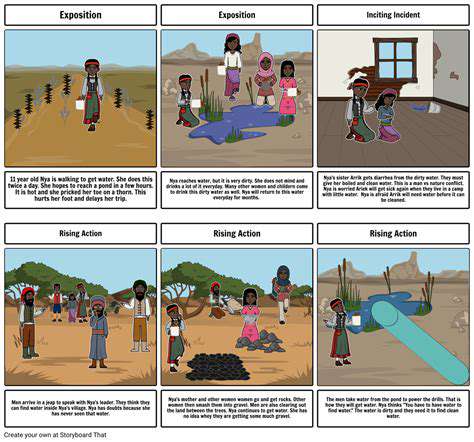
The Importance of Empathy in Building RelationshipsEmpathy is a foundational skill that plays a pivotal role in building and nurturing relationships, both personally and professionally. This web page explores various facets of empathy, its significance in effective communication, and the biological underpinnings that shape our ability to empathize. Understanding EmpathyEmpathy is not just about feeling sympathy for others; it involves deeply understanding and sharing the emotions of another. Divided into two categories—cognitive empathy (intellectually grasping another’s feelings) and emotional empathy (feeling what others feel)—this complex skill enhances interpersonal connections. Research indicates that individuals naturally vary in their empathetic abilities, emphasizing a spectrum of emotional expressions in relationships. Empathy and CommunicationEffective communication is critical for any thriving relationship. By practicing empathetic listening, individuals can engage meaningfully, clarifying misunderstandings and fostering trust. Studies show that couples with higher empathy levels report greater satisfaction, indicating that emotional connections are essential for lasting relationships. The Biological Basis of EmpathyEmpathy is not a mere social skill; it has a biological foundation. Neuroimaging shows that our brain responds empathetically to others’ emotions, underscoring how interconnected our experiences are. Understanding the biological aspects of empathy also reveals why some individuals may struggle with it, particularly in cases involving neurological conditions. Personal Relationships and EmpathyIn personal relationships, empathy fosters stronger bonds. Friends and families that practice empathy enjoy healthy dynamics, with empathetic individuals often providing support during challenging times. In work environments, empathetic leaders are linked to increased employee engagement and productivity, highlighting the universal benefits of empathy. Overcoming Empathy ChallengesDespite its importance, empathy can be challenging to practice, especially in a fast-paced world that often leads to emotional fatigue. Social and cultural factors may also hinder empathetic development, necessitating environments that actively promote understanding and compassion. Teaching Empathy in EducationIntegrating empathy into educational curricula can create compassionate future leaders. Programs focusing on social-emotional learning teach students to recognize and share feelings, encouraging a culture of understanding. Methods such as role-playing, volunteering, and open dialogues can effectively cultivate empathy among students. Fostering Empathy in CommunitiesBuilding compassionate communities requires ongoing commitment. Sharing personal stories, engaging in service-learning projects, and fostering open dialogues can enhance empathy among individuals and strengthen community connections. The Long-term Benefits of EmpathyEmpathy significantly contributes to mental health and relationship quality. It not only improves communication but encourages trust and emotional intelligence. Societal outcomes, such as reduced bullying and increased civic engagement, also reflect the transformative potential of empathy on a community scale.---In summary, practicing and promoting empathy can create a ripple effect, impacting relationships, communities, and society at large. By emphasizing empathy in our daily interactions and institutional frameworks, we can foster a more compassionate world.
Jan 28, 2026

Why Screen Time Balance is Essential for Health and Well-beingIn today's digital age, balancing screen time has never been more crucial for both mental and physical health. With individuals averaging over seven hours of screen use daily on devices like smartphones, computers, and TVs, excessive screen time can lead to negative consequences, including increased anxiety, depression, and disrupted sleep patterns. Research from the *American Journal of Preventive Medicine* highlights a direct link between prolonged screen exposure and heightened feelings of loneliness.To maintain a healthy relationship with technology, it is vital to set personal boundaries. Creating 'tech-free' zones in the home—like bedrooms or dining areas—encourages healthier lifestyle choices. Engaging in non-screen activities such as reading or outdoor sports fosters stronger interpersonal relationships and promotes a diversified daily routine.For families, effective management of children's screen time involves using parental controls and monitoring tools. Statistics from the *Pew Research Center* reveal that children aged 6-18 spend an average of 7.5 hours in front of screens daily. Parents should be proactive in discussing appropriate content and setting daily screen time limits, fostering an open dialogue about technology's impact.Incorporating regular breaks into screen use is crucial for improving focus and preventing mental burnout. Techniques like the Pomodoro method—working for 25 minutes followed by a 5-minute break—can improve productivity while protecting mental well-being. Mindfulness practices such as meditation can enhance self-awareness regarding screen use and its effects.Setting Healthy Screen Time LimitsEstablishing firm screen time limits is essential. The American Academy of Pediatrics recommends that children aged 2-5 engage with screens for no more than one hour of high-quality programming each day. Parents should tailor limits based on age and individual activity to empower family members to take control over their tech usage and encourage participation in non-screen activities that contribute to their development.Digital Detox and Healthy Digital EnvironmentsDigital detox can play a significant role in reducing stress and improving mental health. By scheduling regular 'unplugged' hours—especially before bedtime—individuals can improve sleep quality and reduce dependency on devices. Research shows that reducing overall screen time enhances emotional well-being and allows for engagement in fulfilling activities like exercise and spending time in nature.Moreover, curating the content consumed on screens is equally important. Prioritizing meaningful digital interactions over mindless scrolling can boost satisfaction and reduce stress levels. Techniques such as implementing screen-free zones and regular physical activity can further promote a healthier digital lifestyle.In conclusion, achieving a balanced approach to screen time requires conscious effort, clear boundaries, and consistent communication. By embracing habits that prioritize well-being amidst digital engagement, individuals can enjoy the benefits of technology without compromising their health and relationships. To explore more about setting screen time limits and promoting healthy digital habits in your family, visit our detailed guides and resources on creating a balanced digital environment.
Jan 28, 2026

The Importance of Civic Responsibility for KidsCivic responsibility is the cornerstone of a strong community, and instilling this value in children lays the groundwork for engaged, responsible citizens. Understanding civic responsibility involves teaching children about their role in society and how they can contribute positively to their communities. From volunteering to participating in local governance, early engagement fosters an essential sense of belonging and responsibility in kids. Understanding Civic Responsibility in ChildhoodTeaching children about civic duty equips them to recognize their roles as active participants in shaping their environment. Research reveals that children involved in civic activities, such as community service or local government, develop crucial life skills like empathy and teamwork. Programs aimed at fostering civic engagement often lead to improved well-being and lower instances of behavioral issues. The Role of Education in Civic AwarenessEducational institutions are pivotal in promoting civic responsibility. By weaving civic education into the curriculum, educators provide the necessary framework for navigating societal challenges. Expanding subjects like social studies to engage discussions about governance, inequality, and sustainability encourages critical thinking among students. Extracurricular activities such as debate clubs and volunteer programs further enhance civic engagement and prepare kids for future involvement in civic matters. Encouraging Active Community ParticipationEngaging children in community service activities underscores the importance of civic responsibility. Projects like neighborhood clean-ups not only improve local environments but also teach kids about the significance of collective efforts. Exposing young people to local leaders and civic organizations broadens their understanding of community dynamics and reinforces the value of active participation. Fostering Empathy Through Civic EngagementPrograms that expose children to diverse cultures and community challenges help cultivate empathy and understanding. By facilitating storytelling sessions or cultural exchanges, schools can develop children’s emotional intelligence and deepen their awareness of societal complexities. Encouraging open discussions about social issues nurtures critical perspectives and inspires kids to take action for social justice. Ways to Teach Kids About Civic EngagementLearning about civic engagement can be made enjoyable through hands-on activities such as community service and simulations of local governance. Educational resources, interactive online platforms like iCivics, and regular discussions about current events are vital methods for enhancing children's civic awareness. Creating a culture of voting within families highlights its significance, empowering children to understand their civic rights and responsibilities. The Role of Schools and ParentsSchools play a crucial role in fostering civic responsibility by integrating relevant education into their curriculum, encouraging community involvement, and promoting critical thinking. Meanwhile, parental support is integral to reinforcing civic values at home. Community partnerships further enhance educational efforts, providing experiences that emphasize the importance of active citizenship. ConclusionEncouraging civic responsibility in children nurtures not only individual growth but strengthens the community fabric. By promoting active participation, empathy, and critical thinking skills, we can empower the next generation to become informed and engaged citizens. The collaborative efforts of schools, families, and communities are crucial in cultivating this vital sense of responsibility that fosters a brighter future for all.
Jan 28, 2026

Encourage Open Conversations About Body Image Understanding Body Image and Its ImpactBody image is how individuals perceive their physical appearance. A positive body image significantly boosts self-esteem and mental health, while a negative body image can lead to issues like anxiety and depression. It’s vital for parents and educators to foster healthy body image conversations early, as children as young as five can develop body image notions influenced by their environment and media portrayals.Research indicates that open discussions about body image can help children build resilience against societal standards, promoting a positive self-image. By cultivating these dialogues at home and in schools, we create a safe space for developing a positive body image. Creating Safe Spaces for Open DialogueCreating an environment where children feel comfortable discussing body image is crucial. Adults should regularly encourage these conversations, using relatable examples from daily life. Modeling positive self-talk around body image can also have a profound impact since children tend to mimic adult behaviors. Families engaging in healthy body dialogues reduce the chances of children developing body dissatisfaction. Utilizing Educational Resources and SupportEducational resources play a vital role in supporting body image conversations. Organizations like the National Eating Disorders Association offer valuable resources for parents and children to navigate discussions on body image effectively. Encouraging participation in body-positive programs can reinforce healthy self-image and create supportive social networks among peers. Model Positive Self-TalkSelf-talk — the internal dialogue we have with ourselves — significantly affects children’s self-esteem and emotional well-being. By modeling positive self-talk and sharing personal practices, adults can teach children resilience and confidence. Techniques such as role-playing and celebrating small victories can help children embrace a habit of positive self-affirmation. Overcoming Negative Self-TalkNegative self-talk can hinder healthy body image development. Teaching children to recognize and reframe negative thoughts into positive ones fosters a growth mindset. Activities like journaling can reinforce this practice, allowing children to track their progress in developing positive self-talk. Limit Exposure to Unrealistic Media ImagesMedia greatly influences children’s perceptions of beauty. Studies reveal that exposure to idealized images can lower self-esteem. Teaching children to critically assess media messages empowers them to resist harmful narratives and appreciate diverse representations in media. Curating content that promotes body positivity helps foster a healthier media environment. Promote Healthy Lifestyle ChoicesNutrition and physical activity are key components of a healthy lifestyle, positively influencing body image. Educating children about balanced diets and involving them in meal preparation helps cultivate a positive attitude towards food. Encouraging regular physical activity not only supports physical health but also boosts self-esteem. Celebrate Diversity and IndividualityFostering acceptance of diverse body types is crucial. Parents and educators should engage children in discussions about body diversity, integrating lessons on inclusivity and respect into everyday life. Promoting healthy lifestyle choices, along with celebrating individuality, enhances children's self-image and resilience against societal pressures.Creating supportive environments at home and utilizing community resources can further solidify children’s positive body image. By encouraging open dialogues and providing tools to navigate body image discussions, we empower the next generation to embrace their uniqueness, ultimately fostering a healthier, more confident self-view.
Jan 28, 2026
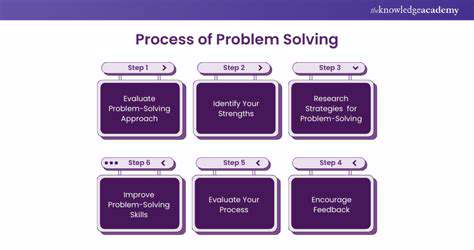
Creating a Safe and Supportive Environment for Emotional DevelopmentIn today's fast-paced world, nurturing children's emotional intelligence is crucial for their overall well-being and success. A safe and supportive environment enables children to thrive emotionally, socially, and academically. This guide emphasizes the importance of establishing clear ground rules for interaction, encouraging open emotional expression, and promoting emotional awareness in children. Establishing Ground Rules for InteractionSetting ground rules for communication is vital in creating a supportive environment. Children should learn acceptable behaviors and terminology when interacting with peers and adults. Being part of the rule-making process empowers them and fosters a sense of ownership over their actions. As research from the Collaborative for Academic, Social, and Emotional Learning (CASEL) indicates, structured guidelines promote emotional regulation, security, and predictability essential for emotional growth. Encouraging Open Emotional ExpressionTo further our emotional development goals, it's critical to foster open conversation about feelings. Educators and caregivers should create safe spaces for children to share their emotions. Activities like feelings circles, complemented by literature that addresses emotional journeys, can normalize emotional expression and inspire children to articulate their feelings. Moreover, modeling healthy emotional communication boosts children's emotional intelligence, enhancing their ability to build healthy relationships. Understanding and Teaching Emotional AwarenessEmotional awareness lays the groundwork for emotional intelligence. Children who can identify their feelings tend to navigate relationships more effectively. Engaging children in structured activities—like role-playing or using multimedia resources—can significantly enhance their emotional awareness. Such practices not only spotlight the importance of emotional perspective-taking but also seamlessly blend emotional learning into broader educational curricula. The Role of Parents in Fostering Emotional AwarenessParents play a pivotal role in nurturing emotional awareness. By openly discussing their own emotions, caregivers provide a positive example for children. Maintaining lines of communication encourages children to express their feelings and helps them develop essential emotional vocabulary. It is crucial for parents to engage in discussions that facilitate emotional regulation, contributing to healthier relationships. Teaching Empathy and Problem-Solving SkillsUtilizing role-playing scenarios and community service projects helps children develop empathy and problem-solving skills. These strategies promote understanding and sensitivity toward others' feelings while cultivating resilience. Engaging children in real-world problem-solving fosters responsibility and critical thinking—skills essential for future challenges. Promoting Self-Reflection and RegulationSelf-reflection significantly enhances emotional regulation in children. Engaging in self-reflective activities like journaling or guided discussions improves emotional intelligence. Additionally, teaching mindfulness techniques can profoundly support children in managing their emotions. Creating a supportive environment, where emotions are openly discussed, allows children to feel validated in their feelings. ConclusionIn conclusion, creating a safe and supportive environment that nurtures emotional intelligence involves establishing communication ground rules, promoting open emotional expression, and nurturing emotional awareness. Investing time in these areas not only shapes children's emotional well-being but empowers them to lead fulfilling lives, equipped with empathy, resilience, and strong problem-solving skills. By prioritizing these elements, parents and educators can lay the foundation for successful emotional and social development.
Jan 28, 2026

Recognizing and Addressing Bullying in SchoolsIn today's educational landscape, understanding and addressing bullying is crucial for fostering a supportive and inclusive environment for all students. This comprehensive guide explores various types of bullying, behavioral signs to recognize in victims, the vital role of bystanders, and effective prevention strategies. Understanding the Types of BullyingBullying can occur in several forms, including physical, verbal, and social bullying. Physical bullying involves direct harm, such as hitting or pushing, while verbal bullying includes name-calling and spreading rumors, both of which can significantly impact a child's self-esteem. Social bullying, often more subtle, may manifest as exclusion from peer groups, resulting in feelings of isolation. Recognizing Signs of BullyingParents and caregivers need to be vigilant about behavioral changes in children, such as withdrawal from activities, mood swings, anxiety, or declining academic performance. Physical symptoms, like stomachaches or headaches, can also indicate distress stemming from bullying. An open dialogue encourages children to express their feelings and seek help when needed. The Empowering Role of BystandersBystanders can significantly influence bullying scenarios. By recognizing bullying and intervening, they can help reduce incidents and support victims. Educating children on safe ways to act, such as reporting incidents to adults, is essential in cultivating a proactive student body. Mental Health ImpactBullying doesn't just harm individuals; it can lead to long-term mental health issues, including anxiety and depression. It's vital to address these feelings early on. Families play a crucial role by promoting resilience and equipping children with coping strategies. Educational Programs for PreventionImplementing comprehensive educational programs in schools is key to preventing bullying. Social-emotional learning initiatives encourage students to develop emotional intelligence, empathy, and coping skills while fostering a strong support network. Encouraging Open CommunicationCreating safe spaces for dialogue around bullying is paramount. Schools should establish environments where students feel comfortable voicing their concerns without fear of retaliation. Regular check-ins and anonymous reporting systems can enhance communication and ensure that issues are addressed. Building Empathy and ResilienceTeaching empathy is essential in preventing bullying. Research shows that children who learn to understand and share the feelings of others are less likely to engage in bullying behavior. Moreover, developing resilience through positive reinforcement helps children better cope with challenges they may face. Inclusivity in SchoolsEstablishing a culture of inclusivity where every student feels valued is vital for reducing bullying. By recognizing differences and implementing targeted programs, schools can create supportive environments that enhance students' self-esteem and academic performance. Empowering Bystanders to ActEmpowering bystanders through training programs can equip them with the skills to intervene during bullying situations safely. Fostering a culture of empathy and support encourages students to respond positively when they witness bullying. ConclusionUnderstanding bullying in its various forms and recognizing the signs is the first step toward creating a safe and inclusive educational environment. With the collective efforts of students, parents, educators, and bystanders, we can work towards a community that actively discourages bullying and promotes kindness and support.
Jan 28, 2026
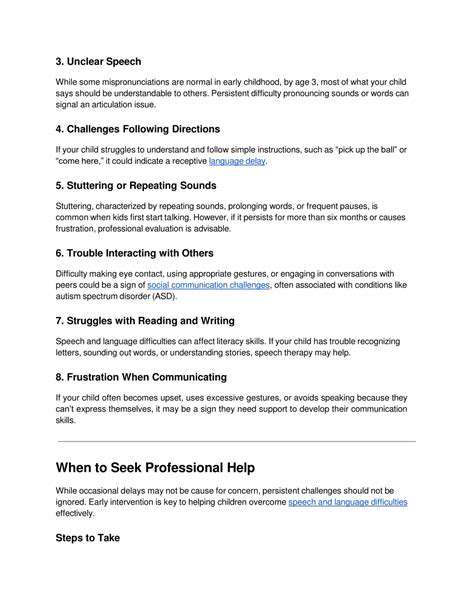
Recognizing and Responding to Tantrum Triggers in ChildrenUnderstanding tantrums in children can be a challenging yet crucial aspect of parenting. Tantrums are often a reflection of various triggers, ranging from environmental factors to emotional struggles. Identifying these triggers can help caregivers prevent meltdowns and respond effectively. Identifying Environmental TriggersMany tantrums are rooted in overwhelming environmental stimuli. Factors such as crowded spaces, loud noises, or sudden changes in routine can unsettle children, particularly those with heightened sensory sensitivities. Observant parents can create calmer environments to help mitigate these triggers. Understanding Emotional TriggersUnresolved emotions also play a significant role in tantrum behavior. Children may lack the vocabulary to articulate feelings such as frustration, sadness, or jealousy, leading to outbursts. Encouraging emotional expression through questions can help de-escalate situations and promote communication. Recognizing Fatigue as a TriggerFatigue is a major contributor to tantrums. Sleep-deprived children often exhibit irritability and poor coping skills. Establishing a consistent sleep routine can improve emotional regulation and decrease tantrum occurrences. Addressing Social TriggersSocial dynamics can create feelings of inadequacy and frustration, particularly during competitive interactions. Being mindful of social triggers allows caregivers to foster supportive experiences that build confidence and social skills, ultimately reducing tantrums. Managing Transition TriggersTransitions between activities can be difficult for children. Implementing advance warnings, such as alerting about upcoming transitions, can prepare them for changes and minimize resistance. Recognizing Behavioral TriggersFamily dynamics also influence tantrum behavior. Children often mirror the emotional states of their caregivers. By modeling calmness and effective coping techniques, parents can foster a more stable emotional environment. Effective Responses to Tantrums Understanding Triggers and PatternsRecognizing situations that lead to tantrums is vital for management. Observing a child’s behavior can reveal patterns, allowing for proactive responses to prevent emotional outbursts. Practical Techniques for Immediate ResponseEmploying strategies like creating a “calm down corner” can provide a safe space for children during a tantrum. Validating feelings, without reinforcing negative behavior, can also help children feel understood. Long-Term Strategies for Emotional RegulationTeaching emotional literacy equips children with the skills to articulate their feelings. Mindfulness practices, such as breathing exercises, can assist in managing overwhelming emotions and fostering resilience. When to Seek Professional HelpOccasionally, tantrums may escalate to severe or frequent outbursts that disrupt daily life. Parents should recognize signs that indicate a need for professional evaluation, such as age-inappropriate reactions or aggression.Consulting with pediatricians or child psychologists can provide tailored strategies to help children manage their emotions effectively. Engaging with community resources, such as parenting workshops, can further support caregivers in navigating tantrum challenges.By recognizing triggers and implementing supportive strategies, parents can create a healthier emotional environment for their children, leading to more positive interactions and reduced tantrum occurrences.
Jan 28, 2026

- Home Environment: A nurturing atmosphere that encourages open communication helps children freely express their emotions.- Parental Support: Children who receive unconditional support from their families are better equipped to face challenges.- Extracurricular Activities: Involvement in sports or arts promotes teamwork and problem-solving skills.Research shows that secure attachments to caregivers significantly bolster a child's capacity to navigate adversity. Strategies for Building ResilienceParents can implement effective coping strategies at home, such as:- Modeling Resilience: Demonstrating positive thinking and adaptive coping techniques encourages children to emulate these behaviors.- Problem-Solving Exercises: Engaging children in structured problem-solving can enhance their self-efficacy.- Unconditional Support: Offering consistent emotional backing reinforces a child’s ability to tackle life's obstacles.Educators also play a key role by incorporating social-emotional learning (SEL) programs in schools, which have proven to improve emotional regulation and overall academic performance. Long-Term BenefitsResilience has lasting advantages, leading to better mental health, higher academic achievements, and enhanced social relationships well into adulthood. Developing resilience provides children with robust tools for managing stress and adapting to future challenges. Embracing a Growth MindsetEncouraging a growth mindset is essential in teaching children that abilities can be developed through effort and persistence. Modeling a growth mindset and praising effort over innate talent fosters an environment where children embrace challenges as learning opportunities. Teaching Problem-Solving SkillsStructured problem-solving frameworks like the IDEAL model help children dissect challenges methodically. Engaging in practical scenarios, such as role-playing or participating in games, allows children to practice their problem-solving skills in a supportive environment. Additionally, regular self-reflection on their problem-solving experiences enhances their understanding and resilience. Emotional Awareness and RegulationDeveloping emotional awareness enables children to recognize and articulate their feelings effectively. Techniques like deep breathing or physical activity help them manage emotions, which is critical for building resilience. Supportive environments, both at home and in schools, are vital in nurturing emotional intelligence. Building Strong Support SystemsIdentifying reliable support systems—including family, friends, educators, and community organizations—is essential. Creating emotional connections that foster open communication allows children to feel supported, enhancing their resilience. Community involvement, such as local clubs and activities, also provides children with social skills and a sense of belonging. ConclusionBy fostering resilience, emotional awareness, and problem-solving skills in children, we lay the foundation for their lifelong success. Investing in these critical areas during childhood creates a more adaptable and fulfilled generation, ready to thrive in an ever-changing world.
Jan 28, 2026

Unlocking a Child's PotentialEarly language exposure plays a pivotal role in a child's cognitive and linguistic development. Extensive research confirms that the first few years of life are critical for brain development, particularly regarding language acquisition. By engaging children in rich, interactive language experiences, we can significantly enhance their cognitive skills and academic performance. For parents and educators, understanding the mechanics of early language development and implementing effective strategies can lay the foundation for lifelong communication abilities. Impact of Early Exposure on Brain DevelopmentChildren’s brains undergo significant changes throughout their early years. During this crucial period, the rapid formation of neural connections related to language occurs. Studies show that children with a rich language environment not only gain larger vocabularies but also demonstrate better problem-solving skills and higher IQ scores. Creating a foundation for strong language skills is essential by incorporating regular conversations, reading, and interactive play. Strategies for Enhancing Language ExposureSimple daily interactions make a great impact on a child’s language skills. Here are some effective strategies:- Engage in conversations: Regularly talk to infants and toddlers, using diverse vocabulary.- Read daily: Choose age-appropriate books to foster a love for reading.- Introduce storytelling: Incorporate narrative techniques in daily routines to capture interest. Interactive Reading: A Game Changer in Language DevelopmentInteractive reading takes storytelling to another level by actively involving children in the narrative. This method fosters deeper comprehension and retention of the material, encouraging critical thinking skills. Parents and educators are encouraged to ask open-ended questions during reading sessions, enhancing dialogue and engagement.Additionally, incorporating technology can enrich the interactive reading experience. Educational apps and e-books offer features that can captivate children's attention, further motivating them to explore language. The Role of Play in Language SkillsPlay is another essential medium for language development. Through imaginative play, children reinforce their comprehension and expression of language. Activities requiring communication stimulate vocabulary growth and enhance articulation. Parents should integrate play-based learning into everyday routines to foster language skills in enjoyable ways. Encouraging Conversations and Active ListeningEngaging children in regular conversations helps expand their vocabularies. Utilizing open-ended questions encourages them to think critically and articulate their thoughts. Active listening is equally important; it builds confidence in children as they feel valued and understood. Utilizing Technology WiselyIn the digital age, technology can be a significant ally in language development. Selecting the right educational apps and combining them with traditional learning methods can greatly enhance communication skills. However, it’s essential to monitor screen time to ensure a balanced approach that emphasizes real-world interactions. Monitoring Progress and Encouraging GrowthRegular assessment of a child’s language skills is crucial in identifying areas for improvement. Observing participation in conversations and tracking progress through tools can guide parents and educators in modifying strategies to maximize development.By creating a language-rich environment filled with conversation, storytelling, and playful interactions, parents and educators can nurture young communicators and set them on a path towards effective communication skills and academic success.
Jan 27, 2026

- Visual Appeal: Experience the excitement of fizzing and bubbling, ideal for captivating a young audience.- Practical Use: Use this combination as a natural cleaner, safe for both your home and the environment.- Safety First: Always perform experiments in well-ventilated spaces and avoid mixing with other cleaning agents. Colorful Walking WaterDive into the visual spectacle of the Colorful Walking Water experiment, which beautifully illustrates capillary action. Watch as colored water travels through paper towels, creating vibrant patterns that are not only aesthetically pleasing but educational! What You Learn:- Scientific Principles: Grasp the concept of capillary action and its relevance in nature, particularly how plants absorb water.- Easy-to-Follow Steps: Gather simple materials like cups, food coloring, and paper towels to embark on your scientific journey. Homemade Lava LampCreate your very own homemade lava lamp using simple materials like water, oil, and an effervescent tablet! This visually striking experiment reveals principles of density and solubility as you observe colored water bubble and flow, mimicking the mesmerizing effects of a store-bought lava lamp. Key Takeaways:- Hands-On Creation: See how different substances interact and the role of gas formation in creating motion.- Educational Insight: Use this experiment to delve into discussions about physical properties and chemical reactions. Egg in a Bottle ChallengeThe Egg in a Bottle challenge is a thrilling demonstration of air pressure that captivates audiences. Watch a hard-boiled egg get sucked into a bottle as you ignite a small piece of paper, showcasing how temperature and pressure interact. Benefits of This Experiment:- Illustrative Effects: Discover the compelling force of air pressure and combustion in action.- Accessibility: Conduct this experiment with common household items while emphasizing safety. Crystal Creation with Sugar or SaltDelve into the enchanting world of crystallization by creating your own sugar or salt crystals. This process provides a tangible opportunity to understand how solids form from a supersaturated solution. Valuable Insights:- Scientific Exploration: Learn about the factors affecting crystal growth, such as temperature and concentration.- Observation Skills: Document your findings and witness the transformation from liquid to solid in real-time. ConclusionWith these exciting experiments, children can spark their curiosity and enhance their scientific understanding while having fun. Perfect for parents, educators, and anyone interested in making learning interactive, these activities are easily accessible and offer a wealth of knowledge across various scientific fields. Ready to ignite the spark of curiosity? Gather your materials and dive into the world of science today!
Jan 27, 2026

Schools can introduce service initiatives into the curriculum to enhance education and promote social awareness.2. Build Community Partnerships: Collaborate with local organizations to provide diverse service opportunities.3. Create Family Service Days: Engage the whole family in service projects to bond while contributing positively.4. Utilize Technology: Leverage platforms to discover volunteer opportunities and raise awareness online.5. Recognize Contributions: Celebrate children’s efforts in community service to motivate ongoing participation. Tips for a Successful Community Service ExperienceTo ensure that children gain the most from their community service experiences, consider setting clear goals, identifying projects that align with their interests, encouraging reflection after activities, and promoting a habit of long-term commitment to service. Community service is a powerful tool for children's personal and social development. By engaging them in meaningful activities, we not only instill valuable life skills but also foster a generation of empathetic and responsible citizens.
Jan 27, 2026

- Creative Cardboard Structures: Utilize cardboard to create various imaginative constructions like forts or houses, enhancing problem-solving and motor skills. - Nature-Inspired Art Projects: Collect natural resources like leaves and stones to inspire art, promoting environmental awareness and curiosity about the world. - Interactive Sensory Activities: Create a sensory bin with different textures, encouraging tactile exploration and vocabulary growth. Role-Playing GamesRole-playing games provide toddlers with the opportunity to assume various character roles, enhancing their creativity through structured storytelling. These games promote not only cognitive skills but also foster teamwork and communication. Research shows that early exposure to RPGs correlates with better problem-solving and social competence. Outdoor Activities to Spark ImaginationEngaging in outdoor activities further nurtures imaginative play. For example:- Scavenger Hunts: Create scavenger lists to encourage physical movement while exploring nature, enhancing observational skills. - Building Forts with Natural Materials: Inspire toddlers to gather sticks and leaves to create unique structures, fostering creativity and storytelling.Through these activities, toddlers can connect with nature while developing important skills. ConclusionCreative play is essential for toddlers as it supports cognitive, social, and emotional development. Activities like imaginative play, DIY crafts, and role-playing games not only enhance their creativity but also prepare them for future interactions. Encourage your child to engage in creative experiences every day, allowing them to explore and learn in a fun, educational environment.
Jan 27, 2026

Guidelines, Content, and ToolsIn today’s digital age, managing children's screen time is essential for their overall development and well-being. This comprehensive guide will help parents establish clear screen time guidelines, incorporate educational content, promote a balanced digital lifestyle, and utilize effective monitoring tools for digital safety. Establish Clear Screen Time GuidelinesUnderstanding age-appropriate screen time limits is crucial. According to the American Academy of Pediatrics, children aged 2 to 5 should be limited to one hour of high-quality programming each day, while older children must have consistent limits to avoid excessive screen use. Too much screen time can adversely affect mental health and academic performance, making it vital to balance screen activities with physical play and social interaction. Incorporate Educational ContentFocusing on educational content transforms screen time into productive learning experiences. Resources like PBS Kids and National Geographic Kids offer meaningful programming that enhances cognitive skills. Utilize educational apps and games that promote critical thinking and creativity, engaging your child in discussions about their learning to consolidate understanding and relevance to real life. Encourage a Balanced Digital LifestylePromote a balanced digital lifestyle by understanding current screen time recommendations. Encourage alternative activities, such as drawing or outdoor play, to stimulate imagination and foster social skills. Setting clear screen time boundaries, like tech-free zones during meals, can help ensure healthier habits. Focusing on quality content rather than merely limiting time enhances the digital experience, turning screens into tools for learning. Implement Monitoring Tools for Digital SafetyMonitoring tools are crucial for navigating children's online experiences. These tools mitigate risks associated with inappropriate content and cyberbullying. Choose from various options, such as parental control apps and internet filters, to effectively manage your child's digital interactions. Introducing these tools gradually promotes cooperation and trust while ensuring online safety. Establish Regular Tech-Free ZonesCreating tech-free zones in your home fosters meaningful interactions and reduces distractions. Areas like the dining room can be designated as tech-free to encourage family communication and improve focus. Involve the family in discussions about these zones to foster ownership and adherence to established routines. Encourage Critical Thinking and DiscussionTo maximize the benefits of educational content, engage children in critical thinking by discussing what they watched or learned. By asking open-ended questions, you deepen their understanding and retention. Incorporate family discussions to enrich the learning experience and promote a culture of accountability towards responsible screen use. ConclusionNavigating your child's digital world requires a balanced approach involving clear guidelines, encouraging educational content, and the use of monitoring tools. By fostering a balanced digital lifestyle and regular tech-free interactions, parents can cultivate healthier, more enriching relationships with technology for their children. For more tips on managing screen time effectively, explore our resources today.
Jan 27, 2026

Strategies for Emotional ResilienceCreating a supportive environment is fundamental for nurturing children's emotional and psychological well-being. Research indicates that children raised in nurturing surroundings are more resilient and adaptable, equipping them to handle life's changes—such as moving to a new school or experiencing family transitions. Importance of Parental SupportParental involvement is essential in helping children manage transitions effectively. When parents provide guidance, children feel a sense of stability, making it easier for them to adapt to change. This support can be manifested through open communication, consistent routines, and engaging in daily activities that affirm their value and understanding. Fostering Inclusivity and Social ConnectionsAn inclusive atmosphere promotes comfort during transitions. Parents and caregivers can encourage teamwork, celebrate diversity, and facilitate group activities, making it easier for children to relate to peers. Building social connections through clubs or sports can significantly mitigate the fear of change, laying a vital foundation for emotional support. Utilizing Educational ResourcesBooks and workshops can help children understand and navigate their feelings. Educational programs that schools offer can enhance emotional intelligence and promote resilience against challenges. These resources can equip children with relatable examples and strategies to cope with new experiences effectively. Encouraging Open Communication and ReflectionEstablishing clear communication channels allows children to express their emotions and thoughts while transitioning. Parents should create an environment that encourages open dialogue, empowering children to share their experiences. Moreover, reflecting on past transitions together can solidify the lessons learned and help children embrace future changes with confidence. Establishing New RoutinesRoutines enhance children's sense of security and help them manage new environments. Involving children in creating these routines fosters a sense of ownership. Gradual adjustments and flexibility within these routines can ease anxieties, while transparent communication regarding changes promotes understanding. Recognizing When to Seek Professional HelpWhen transitions are especially challenging, it’s crucial for parents to recognize signs of distress in their children, such as anxiety or behavior changes. Consulting child psychologists or counselors can provide tailored strategies for effective adaptation. School counseling services often collaborate with parents for holistic support in managing changes effectively. ConclusionCreating a supportive environment for children fosters resilience and adaptability, equipping them to face future challenges with confidence. By actively engaging in open communication, establishing routines, and building social connections, parents can significantly aid their children’s emotional development. In instances where extra guidance is needed, seeking professional support can make a substantial difference in helping children thrive during transitions. Key Takeaways:- Parental support and involvement are crucial for emotional resilience.- Creating inclusive environments aids children's adaptability.- Utilizing educational resources enhances coping strategies.- Establishing routines provides security during changes.- Seeking professional support may be necessary for some children.By implementing these strategies, caregivers can effectively cultivate an environment where children flourish and respond positively to changes in their lives.
Jan 27, 2026

Setting clear objectives minimizes confusion and enhances focus. Assign specific roles based on individual strengths.- Encourage Open Communication: Create a collaborative environment by promoting the sharing of ideas and checking in with each other during games.By fostering an atmosphere of cooperation and engagement during family activities, families can not only enjoy quality time together but also equip children with crucial life skills that last a lifetime.
Jan 27, 2026

Fun Activities for Developing Fine Motor SkillsAt [Your Website Name], we believe in the power of play to promote learning and development in children. Our latest article explores five fantastic activities that enhance fine motor skills while allowing kids to engage in creative play. From shaping colorful play dough to threading and lacing, and even cutting and collaging, these techniques are not just enjoyable—they're foundational for your child's growth. 1. Creative Play with Play DoughPlay dough is a versatile tool for enhancing fine motor skills. Children develop grip strength and hand-eye coordination while manipulating this fun medium. Studies suggest that creative play with play dough also supports cognitive development, making it an essential component in any child's learning toolkit. Discover engaging ideas, such as using thematic challenges, to encourage exploration and creativity. 2. Threading and Lacing ActivitiesThreading activities offer tremendous benefits for developing precision and control in children's fine motor skills. By using various materials like beads and buttons for threading, kids learn vital skills necessary for everyday tasks. These activities challenge their problem-solving abilities while also being incredibly fun! Dive into guided threading activities and find out how to incorporate them into your daily routine. 3. Cutting and Collaging ProjectsCutting and collaging projects are vital for dexterity and self-expression. By engaging with safe, age-appropriate materials, children can cultivate their creativity while developing hand strength. Our article provides insights into effective cutting techniques and thematic projects that stimulate learning. With positive reinforcement and parental involvement, kids can flourish in these hands-on projects. 4. Building with Blocks and Construction SetsBlock play fosters critical developmental skills, including hand-eye coordination, problem-solving, and creative thinking. In our article, we discuss the importance of selecting durable, safe construction materials for children. We also suggest integrating STEAM learning principles through block play, encouraging kids to explore engineering concepts while enjoying their creations. 5. Sensory Bins for Textural ExplorationExplore how sensory bins can create enriching tactile experiences for children. By involving various textured materials, sensory bins enhance fine motor skills and critical thinking. Learn how to incorporate educational objectives into these sensory play activities, aiding in color recognition and categorization skills while keeping learning fun! Safety and AccessibilityNo matter the activity, safety always comes first. Our article emphasizes age-appropriate materials and the importance of supervision to create a safe play environment. We also advocate for inclusivity through adaptive tools, ensuring all children can partake in the fun. Wrap-UpPlay should be an inspiring and educational experience for kids. By incorporating these five creative activities at home or in educational settings, you can significantly aid your child's development. Explore our article for detailed techniques, ideas, and insights to support their learning journey.For more parenting tips and educational advice, visit [Your Website Name].
Jan 27, 2026

The Importance of Positive Affirmations in Child DevelopmentPositive affirmations are simple yet powerful statements that enhance self-esteem and motivation. Practicing positive affirmations has been scientifically linked to improved mental health and emotional resilience, especially among children. By incorporating tailored affirmations into daily routines, caregivers can foster an encouraging environment that nurtures a positive self-image. Understanding the Role of AffirmationsAffirmations can be individualized to address specific self-doubts. For example, a child who feels anxious about public speaking might benefit from affirming statements such as I am confident when I speak. This tailored approach makes affirmations feel personal and believable, enhancing their effectiveness.Research supports the idea that a consistent practice of affirmations contributes to shaping children's cognitive and emotional development. Children who adopt a growth mindset—believing that they can improve and persevere despite challenges—tend to achieve better academic outcomes. Strategies for Introducing Positive AffirmationsIncorporating positive affirmations into daily routines is essential for their effectiveness. Mornings can be a perfect time for children to recite their affirmations. Using visual aids, like affirmation cards displayed in their rooms, can reinforce these messages. Additionally, involving children in creating their affirmations fosters ownership and encourages active participation.It's also helpful to integrate affirmations into mealtime discussions or daily activities, turning positive self-talk into a shared family practice. Engaging children in collaborative experiences, such as crafting and storytelling, can make the affirmation process entertaining and memorable. Impact on Academic PerformanceResearch indicates that children using positive affirmations show notable improvements in both confidence and academic performance. Studies have revealed that students practicing affirmations are significantly more likely to engage academically. Furthermore, schools fostering a culture of positive affirmations often report enhanced classroom behavior and peer relationships. Addressing ChallengesWhile affirmations are beneficial, some children may struggle to believe in positive statements or may fall back into negative self-talk. Providing a supportive space for open conversations about feelings is crucial for navigating these challenges. Maintaining consistency in affirmational practices helps reinforce positive behaviors and beliefs over time. Making Affirmations Fun and EngagingCreativity can make affirmations more engaging. Crafting positive posters or vision boards allows children to visualize their affirmations, making the process enjoyable. Pairing affirmations with physical activities can also enhance retention and make the experience lively.Using technology, such as affirmation apps, can introduce a modern twist to positive self-talk, providing tips and reminders that resonate with today's children. Encouraging peer support through group affirmation sessions or shared discussions can also strengthen individual confidence and build a supportive community. ConclusionIn conclusion, adopting positive affirmations into children's daily lives is an investment in their emotional and academic future. By consistently reaffirming their unique strengths in a supportive environment, parents and educators can contribute to the development of resilient, confident individuals who effectively navigate life's challenges. When affirmation practices are personalized, enjoyable, and consistently reinforced, they pave the way for lasting positive changes in self-perception and overall well-being.
Jan 27, 2026

A Comprehensive GuideIn today's digital age, understanding and managing screen time for children has become essential for promoting healthy habits. Our detailed guide explores effective strategies for assessing current screen time usage, establishing clear limits, and finding balance through alternative activities. Understanding Current Screen HabitsTo effectively manage screen time, parents must first track how much time children spend on various devices and platforms. Monitoring applications can assist in identifying usage patterns, distinguishing between educational and recreational activities. This insight is vital, as research shows that engaging with educational media positively affects academic performance. Utilizing Technology for MonitoringSmartphones and tablets come equipped with built-in screen time trackers, helping parents grasp their children's daily habits. By setting parental controls, families can establish a conscious environment around screen use while ensuring safety. Evaluating the Impact of Screen Time Excessive screen time can result in sleep deprivation, decreased physical activity, and impaired social skills. Implementing no-screen days can provide contrast, highlighting the real-life impact of screens on mood and family bonding. Setting Clear Screen Time Guidelines The American Academy of Pediatrics recommends limiting screen time to one hour a day for children aged 2 to 5. Collaborating with family members to set realistic guidelines and holding regular meetings to revisit them fosters accountability and ensures everyone feels included in the discussion. Defining Age-Appropriate Screen Time GuidelinesDifferent age groups have varying screen time needs. The AAP advises limiting exposure for young children while promoting healthy digital engagement in older children. Crafting a family screen time policy that accounts for individual preferences strengthens responsibility and understanding. Encouraging Alternative ActivitiesFinding engaging alternatives is crucial for reducing screen dependence. Promoting outdoor play, family game nights, and skill-based hobbies fosters physical health and social development. A well-structured routine that balances screen time with other activities builds accountability and instills responsibility in children. Monitoring and Adjusting Screen Time Habits Regular evaluations of screen time adherence are essential. Utilizing tracking apps or visual charts can assist in observing compliance while periodic family discussions maintain relevance and engagement around the topic. Utilizing Parental Controls and Monitoring Tools Incorporating parental controls is vital for safe internet experiences. Various monitoring tools, from device-specific restrictions to comprehensive apps, allow for effective supervision of children's online interactions. Adapting the Plan as Family Needs ChangeFamily dynamics and individual needs evolve, necessitating regular reviews of the screen time plan. Incorporating screen-free activities strengthens family bonds while accommodating varying interests and age-related changes.---Understanding and managing your child's screen time is a collective journey. By utilizing these strategies, families can foster a healthy digital environment, encouraging positive habits that support overall well-being. For more insights and practical tips on promoting screen time management, visit our website.
Jan 27, 2026