Educational
Safety
Science
Education
Physics
Experiment
Crystallization
Scientific Experiment

Simple Science Experiments: Discoveries at Home

a hard-boiled egg, a glass bottle with a neck slightly smaller than the egg, and a piece of paper. These accessible materials make the experiment easy to replicate.

Start by peeling the hard-boiled egg and ensuring that it fits snugly at the opening of the bottle. Make sure to use a bottle made of thick glass, as it can withstand the changes in pressure effectively. The paper should be crumpled into a small ball for better burning. Arrange a safe area for performing the experiment to avoid any accidents or mess.

Once your setup is ready, you can proceed with the exciting steps of the experiment, and it’s crucial to follow them closely to ensure successful results.

Safety Precautions and Troubleshooting Tips

While the Egg in a Bottle challenge is relatively safe, it's important to take specific safety precautions. Always conduct the experiment in a well-ventilated area to prevent any harmful fumes from lingering. Additionally, avoid using too much flame while igniting the paper to prevent any risk of splatter or fire hazards.

If you find that the egg doesn't get sucked into the bottle, check the neck of the bottle to ensure it is appropriately sized. A neck that is too wide may not create enough of a vacuum effect. You might also experiment with the size and type of the paper used because different materials can affect burn duration and intensity. Always be ready to troubleshoot to maximize the experiment's educational value.

5. Crystal Creation with Sugar or Salt

5.CrystalCreationwithSugarorSalt

Understanding the Basics of Crystallization

Crystallization is a fascinating process that transforms a liquid solution into solid crystals. In simple terms, it occurs when a solution becomes supersaturated, leading to the formation of solid particles as the solute particles bond together. This process can be influenced by temperature, evaporation rates, and concentration levels. The science behind crystallization is not only intriguing but also fundamental to many applications in chemistry and materials science.

A common example is the formation of sugar or salt crystals. When water is heated, more solute can dissolve. As the liquid cools, the solute begins to crystallize out of the solution, providing a clear demonstration of the principles behind this phenomenon.

Materials Needed for Your Crystal Experiment

  • Granulated sugar or salt
  • Water
  • Glass jar or beaker
  • Heating source
  • String or a stick for nucleation
  • Stirring utensil

To begin your experiment, gather the materials listed above. It's essential to choose a clean glass jar or beaker to avoid unwanted contaminants that could interfere with crystal growth. Using a string or stick helps create nucleation sites, which are crucial for crystal formation. These sites provide a surface for solute particles to start bonding, promoting larger crystal growth.

Step-by-Step Guide to Creating Crystals

Start by heating the water until it's almost boiling, and then stir in the sugar or salt gradually until no more can dissolve. This solution is now supersaturated, holding more solute than it could under normal conditions. Allow the solution to cool slightly before carefully transferring it to your jar. Once transferred, place the string or stick inside the solution, ensuring it doesn't touch the bottom of the jar.

After securing your setup, it’s important to keep the jar in a stable location where it won’t be disturbed. Over the next few days, monitor the jar as the crystals begin to form and grow. Changes may be subtle initially, but as time progresses, you will notice significant transformations. This patience is key to successful crystal formation.

Observing and Analyzing Crystal Growth

As you observe the crystals grow, consider documenting their size, shape, and clarity. Crystals can take on various forms depending on the conditions under which they crystallized. Whether you see large, defined sugar crystals or smaller, more opaque salt crystals, making these observations adds to the scientific understanding of your experiment.

After a week or so, you could remove the string or stick and examine the crystals closely. Look for uniformity in size and follow the patterns of growth. This analysis not only provides insight into how changes in your environment affect crystallization but also enhances your observational skills in scientific study. Share your findings with family or friends to spark interest in science fun!

Read more about Simple Science Experiments: Discoveries at Home
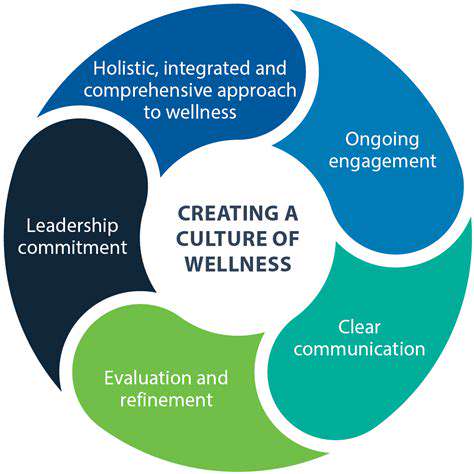
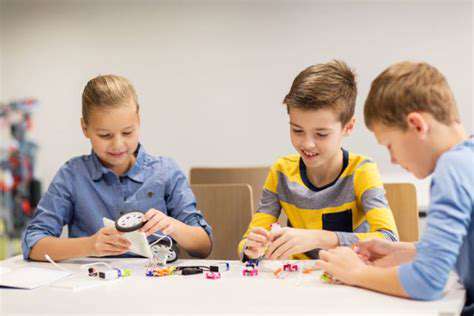
Creating Positive ImpactIn today's educational landscape, fostering a positive work environment plays a crucial role in enhancing the well-being of educators and the learning experience of children. Our comprehensive guide focuses on key elements like promoting collaboration, investing in professional development, and effectively leveraging technology.Fostering Collaboration and Teamwork Learn how a collaborative atmosphere among educators leads to innovation and resource sharing, ultimately benefiting the entire educational community.Promoting Professional Development Explore the importance of continuous learning for educators and how it directly enhances teaching quality, resulting in better outcomes for children.Enhancing Well-Being and Job Satisfaction Discover strategies for creating a supportive work environment that prioritizes job satisfaction and promotes a sense of belonging among staff members.Implementing Hands-On Learning Strategies Understand the benefits of hands-on learning and how it cultivates critical thinking and social skills in children through real-world experiences and interactive tools.Encouraging Independence and Well-Being Practices Learn the significance of regular breaks and well-being practices in the classroom that foster emotional health and enhance focus, ultimately leading to better academic performance.This guide is designed for educators, school administrators, and anyone devoted to enriching the educational environment and supporting the growth of both staff and students.
Nov 21, 2024
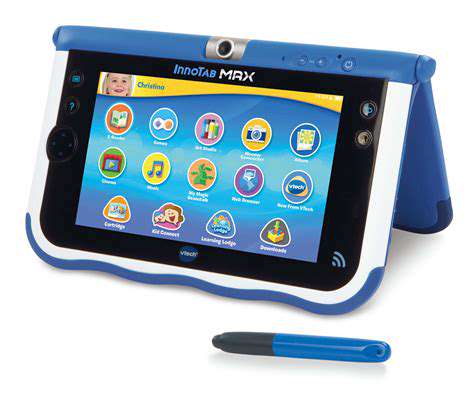
Web Page Description for "Fostering Cognitive Development Through Play"Dive into the essentials of cognitive development in early childhood with our comprehensive guide. Discover the significance of engaging play and the role of learning toys in nurturing critical thinking and problem-solving skills. Explore various educational tools such as board games, STEM kits, puzzles, interactive learning tablets, musical instruments, and art supplies, each selected for their ability to enhance cognitive growth and life skills. Understand how to choose the right toys and resources to inspire creativity, resilience, and social interaction in young learners. Equip your child for a successful academic journey and a lifetime of learning through purposeful play and exploration. Join us in creating a stimulating environment that supports holistic development in every child!
Feb 25, 2025
The Role of Curiosity in Personal DevelopmentDiscover how curiosity can be a transformative force in your personal and professional growth. This article delves into the nature of curiosity, its impact on learning, creativity, and how to foster a curious mindset for lifelong development. Explore ways curiosity enhances critical thinking and innovative problem-solving while cultivating a culture of inquiry in educational and professional settings. Learn to embrace curiosity as a lifestyle choice that can lead to richer life experiences and deeper self-understanding. Unlock your potential and inspire others by leveraging the power of curiosity today!
Mar 05, 2025
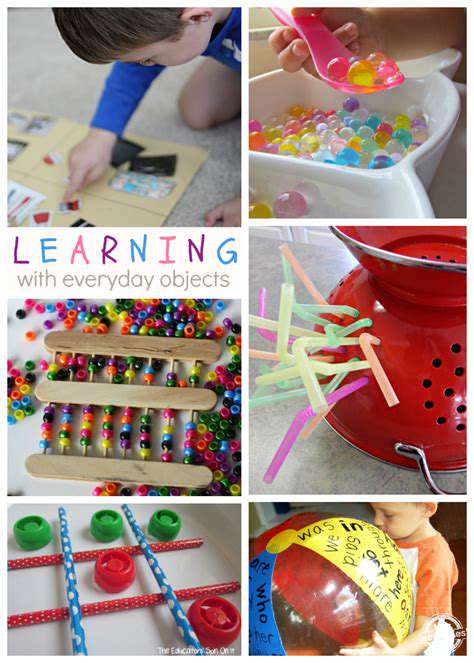
Discover the Power of Interactive Number Games for PreschoolersEnhance your child's learning journey with Interactive Number Games! These games are essential tools for fostering cognitive development in preschoolers, making math fun and engaging. By combining play with educational content, children can develop a robust number sense and foundational math skills. Studies show that preschoolers who participate in interactive number games exhibit improved problem-solving skills, creating a positive association with learning. Importance of Number GamesAt the core of preschool education is a strong grasp of numerical concepts. Number games not only captivate young minds but also create stimulating, interactive learning environments at home or in classrooms. These games encourage recognition of numbers and basic math concepts, enabling kids to embrace mathematics with enthusiasm. Varieties of Interactive Number GamesExplore a plethora of interactive number games designed for diverse learning styles. From classic counting and number recognition activities to digital applications, these games come in many formats. Digital platforms captivate children with colorful graphics and instant feedback, promoting continuous learning and engagement. The Benefits of Digital Number GamesDigital number games cater to individual skill levels, ensuring personalized learning experiences. Customization helps keep children motivated and avoids frustration, affirming a study that indicates higher scores on math assessments among children using educational apps. These games promote independent exploration, allowing children to practice challenging concepts at their own pace. Tips for Incorporating Number Games into Daily LifeIntegrating number games into everyday routines reinforces learning effortlessly. Simple activities, such as counting items while grocery shopping or engaging in cooking tasks that involve measurements, can be both educational and enjoyable. Parents can also initiate discussions about numbers during these activities, fostering critical thinking and bonding moments. The Role of Music and Rhymes in Learning NumbersMusic plays a significant role in enhancing memory and engagement. Incorporate catchy nursery rhymes and songs that emphasize counting to make learning seamless. Rhythm and rhyme encourage recognition of patterns, crucial for early numeracy skills. Utilizing Everyday Objects for Hands-On ActivitiesUtilizing common household items for number games makes learning experiential and engaging. Count spoons, blocks, or even use nature's bounty, like leaves and stones, to introduce counting in a practical context. The Impact of Educational TechnologyEducational apps are revolutionizing how children learn numbers. Interactive platforms like Endless Numbers and Moose Math provide gamified experiences that enhance number recognition and counting skills. These tools, when used responsibly alongside traditional methods, create a well-rounded educational experience. Creating a Supportive Learning EnvironmentA nurturing atmosphere is vital in making number games enjoyable. Positive reinforcement encourages children, enabling them to persist through challenges. Regular assessments and progress tracking can help tailor learning experiences to suit each child's needs effectively. ConclusionInteractive number games engage preschoolers and build foundational math skills in enjoyable ways. By incorporating various forms of learning—through play, music, everyday objects, and technology—parents and educators can create stimulating environments that foster a love for numbers. Embrace the joy of learning with interactive number games today!
Mar 29, 2025
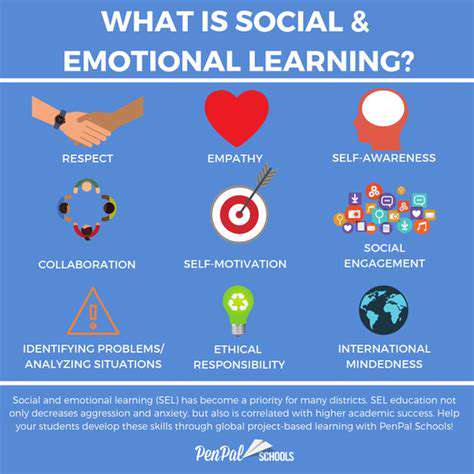
The Importance of Emotional Awareness in Early Childhood Understanding Emotional Awareness in Early ChildhoodEmotional awareness is the ability to identify, understand, and express emotions effectively. In early childhood, this skill is crucial for building relationships and social skills. Children with strong emotional awareness tend to excel in both academic and social settings, and they approach challenges with better articulation instead of negative behavior. Research published in the *Journal of Child Psychology* correlates emotional awareness with the development of empathy and healthier relationships throughout life. The Role of Children's Literature in Emotional DevelopmentChildren's literature serves as an invaluable tool to enhance emotional awareness. Stories featuring relatable characters allow children to see reflections of their own experiences. Notable books, such as *The Feelings Book* by Todd Parr, enable children to discuss their feelings in a safe environment, which promotes emotional vocabulary expansion and understanding of complex emotions. Strategies for Parents and EducatorsParents and educators can utilize various strategies to integrate emotional learning into daily activities. Engaging children in read-aloud sessions with open-ended questions about characters' emotions fosters critical thinking. Complementary activities, like role-playing scenarios from stories, allow for deeper understanding and expression of emotions, reinforcing the lessons learned. Evaluating Emotional Literacy ProgramsIt’s essential to assess emotional literacy programs carefully. Quality initiatives should encompass key competencies outlined by the Collaborative for Academic, Social, and Emotional Learning (CASEL). Always look for evidence-based practices that demonstrate effectiveness in emotional intelligence development, ensuring children reap the long-term benefits. Integrating Emotional Awareness into Daily LifeEmotional awareness isn't just reserved for storytime; it should permeate daily life. Simple practices like discussing emotions during everyday activities help reinforce lessons. Techniques such as daily mood check-ins or emotional journals can aid children in articulating their feelings and experiences. Community Engagement in Building Emotional AwarenessCommunity resources like libraries often host emotion-focused storytelling events. Collaborations with local mental health professionals can enrich these educational experiences, emphasizing the importance of emotional literacy in a supportive atmosphere. The Long-Term Benefits of Emotional AwarenessDeveloping emotional awareness in early childhood can lead to long-lasting benefits into adulthood. Adolescents with strong emotional recognition tend to manage stress better and maintain healthier relationships. Furthermore, building emotional intelligence can reduce symptoms of mental health issues, encouraging resilience in future challenges. Selecting the Right Books for Promoting Emotional LearningWhen choosing children’s literature, prioritize books that mirror the emotional experiences of young readers. Look for relatable characters, age-appropriate language, and diversity in storytelling to enhance emotional understanding. By thoughtfully selecting literature, you help children foster empathy and emotional recognition. Engaging Children in Conversation About EmotionsIt's essential to enrich children's emotional vocabulary by discussing feelings frequently. Books that illustrate various emotions can serve as a foundation for these dialogues. Encourage open conversations about characters' emotions and facilitate safe spaces for children to express their feelings. Incorporating Activities to Reinforce Emotional LearningUsing storytelling alongside interactive activities like role-play or art can significantly deepen children's emotional learning. Engaging them in discussions post-readings enhances emotional understanding, while creative expressions, such as drawing, provide tangible representations of feelings. The Long-Term Benefits of Using Literature for Emotional DevelopmentEnhancing emotional intelligence through literature equips children with skills for better relational dynamics, problem-solving, and diverse perspectives. Encouraging discussions around character experiences cultivates a nuanced understanding of emotions, fostering both empathy and critical thinking.By prioritizing emotional awareness from a young age, we lay the groundwork for holistic development that incorporates emotional, social, and cognitive growth.
Apr 21, 2025
Understanding Learning Styles: Tailoring Education to Your Child
Jun 28, 2025
Encouraging Curiosity in Science: Hands On Fun for Kids
Jul 08, 2025
The Role of Routines in Child Development: Creating Predictability and Security
Jul 25, 2025
Developing Resilience in Young Children: Bouncing Back Stronger
Aug 08, 2025
Positive Self Image in Children: Nurturing Self Acceptance
Aug 09, 2025
Addressing Bullying: Empowering Kids to Be Kind
Sep 21, 2025
Unlocking Language Learning Potential Understanding the Mechanism of Storytelling in LearningStorytelling is a powerful educational strategy that enhances language acquisition by engaging learners intellectually and emotionally. Research highlights its effectiveness in improving memory retention, enabling easier vocabulary recall, and facilitating a deeper understanding of grammar structures. When children connect abstract concepts to relatable narratives, they find motivation and context in their learning. The Role of Interaction in StorytellingInteractive storytelling fosters collaboration in the classroom, leading to significant improvements in speaking skills. Studies show that students participating in group storytelling sessions demonstrate a 30% increase in language proficiency compared to traditional methods. By encouraging learners to create and retell narratives, educators cultivate an engaging language environment. Practical Applications of Storytelling in the ClassroomTeachers can employ storytelling in various ways, such as through digital storytelling or using popular children's books. Engaging in story-based lessons accommodates different learning styles, promoting creativity and comprehensive language practice. For instance, discussing “Where the Wild Things Are” allows students to explore descriptive language and imaginative concepts. Enhancing Vocabulary and Contextual UsageStorytelling significantly enriches vocabulary acquisition by engaging multiple brain areas. It helps learners intuitively grasp new words within rich contexts, which is crucial for mastering complex terms. Learners also benefit from narratives that clarify meanings and situational examples, aiding in a comprehensive understanding of language nuances. Improving Comprehension and Listening SkillsActive listening is essential for enhancing comprehension in language education. Engaging discussions and summarization activities can boost retention, while storytelling strategies, such as scaffolded narratives, simplify complex ideas for learners. Integrating multimedia resources expands listening practice, exposing students to diverse accents and storytelling styles. Fostering Creativity and ConfidenceStorytelling ignites imaginative thinking and bolsters self-esteem in young learners. Through storytelling, students gain recognition for their unique perspectives and develop confidence in expressing their thoughts. This method nurtures an inclusive classroom environment where peers respect each other’s contributions. Integrating Storytelling into Language Learning CurriculumsIntegrating storytelling techniques into language learning curricula is paramount. Encouraging creative writing, utilizing multimedia, and incorporating collaborative storytelling activities support language skill development. Assessment strategies should evolve to include storytelling portfolios, providing richer insights into student progress while addressing challenges through professional development for educators. ConclusionStorytelling serves as a transformative tool in language education, fostering creativity, improving comprehension, and enhancing communication skills. By weaving narrative techniques into educational frameworks, educators can create vibrant, engaging learning environments that support diverse learners in achieving language proficiency and confidence.
Jan 26, 2026
View Blog>>