Child Development
Mental Health
Educational Content
Critical Thinking
Digital Lifestyle
Digital Safety
Parental Control
Family Communication
Digital Detox

Screen Time Solutions: Guiding Your Child's Digital Journey

These applications enable parents to track their child's activity on various platforms.
  • Device settings: Built-in features on smartphones and tablets allow you to restrict certain functionalities.
  • Internet filters: These tools block access to harmful websites and content.
  • Usage reports: Many apps provide detailed insights into screen time and usage patterns.
  • Each type of monitoring tool has its distinct advantages, allowing parents to choose what works best for their family context. For instance, parental control apps often allow for real-time tracking of online behavior and can send alerts regarding suspicious activities.

    Implementing Monitoring Tools: Steps to Start

    1. Evaluate your family's needs: Before choosing a monitoring tool, consider what you want to achieve, whether it's limiting screen time or filtering content.

    2. Research available options: Look into various tools and read reviews to find the most suitable parental control software. Popular choices include Qustodio, Net Nanny, and Bark, each offering unique features that cater to different needs.

    3. Introduce tools gradually: Depending on your child’s age and maturity level, introduce monitoring tools gradually to ease any pushback. Explain that the purpose is to ensure their safety online rather than to invade their privacy.

    Challenges and Solutions in Monitoring Digital Safety

    One of the most significant challenges parents face is balancing oversight with trust. Children, especially teenagers, may resist monitoring as an invasion of their privacy. Open communication about why monitoring is necessary can help to alleviate resistance. Creating an environment where children understand the potential hazards can promote cooperation.

    Additionally, parents must stay updated on the ever-evolving landscape of digital threats. Regularly educating themselves on new apps and websites frequented by children can empower them to make informed decisions regarding monitoring tools.

    The Future of Digital Monitoring and Parenting

    The digital landscape will continue to evolve, making monitoring tools even more critical in ensuring children's safety online. As technology advances, so do the tools available for parents, including AI-driven solutions that offer predictive insights on risky behavior.

    It's important for parents to adapt their strategies as new apps and social media platforms emerge. Engaging with fellow parents and sharing insights on best practices can foster a supportive community. Continual dialogue about Digital safety will yield better outcomes for children's online experiences.

    Establish Regular Tech-Free Zones

    EstablishRegularTech-FreeZones

    Benefits of Tech-Free Zones

    • Reduces distractions and improves focus on activities.
    • Encourages family interaction and communication.
    • Promotes healthier sleep habits among children.

    Establishing regular tech-free zones in your household is essential for fostering a balanced lifestyle. It allows both children and adults to disconnect from screens and engage in Meaningful Interactions with one another. Studies have shown that reducing screen time can enhance concentration, particularly during homework or reading sessions.

    When families designate specific areas of the home, such as the dining room or living room, as tech-free, it helps everyone establish boundaries around their digital consumption. This practice can lead to improved relationships, as family members are more likely to share experiences and communicate verbally rather than through screens. Research found that families who engage in tech-free meals report higher levels of satisfaction in their interactions.

    Implementation Strategies for Tech-Free Zones

    To successfully implement tech-free zones, start by involving the whole family in the conversation. Gather everyone to discuss the purpose and benefits of these zones, and solicit their input on which areas should be tech-free. This buy-in is crucial for adherence and can foster a sense of ownership among family members.

    Consider establishing daily routines or specific times when these zones are enforced. For instance, designating mealtime as a strictly Tech-Free Event gives everyone a clear understanding of when screens should be set aside. This consistency helps reinforce the importance of personal interactions and quality time together. Additionally, incorporating engaging activities, such as board games or cooking together, can further enrich these moments and promote stronger family bonds.

    Read more about Screen Time Solutions: Guiding Your Child's Digital Journey
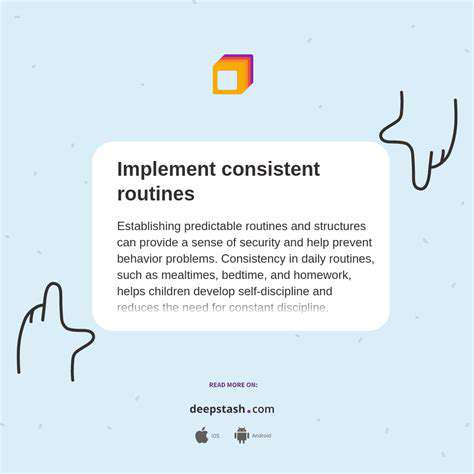
    Causes and SolutionsInspiring disciplined behavior in toddlers can be challenging, but recognizing the root causes of behavioral issues can pave the way for effective interventions. This comprehensive guide focuses on identifying environmental triggers, understanding developmental stages, evaluating emotional factors, and implementing consistent routines—vital components to help toddlers thrive. Identifying Environmental TriggersThe environment where toddlers grow plays a critical role in their behavior. Research underscores that a stable and predictable environment can greatly enhance a child's emotional security. Understanding how family dynamics, peer interactions, and physical space impact behavior is essential. A cluttered environment can lead to anxiety and frustration, making it crucial for caregivers to create a calming atmosphere. Understanding Developmental StagesAs toddlers transition through various developmental stages, they naturally test boundaries. Recognizing that such behaviors are part of their growth journey allows caregivers to respond effectively. With age-appropriate expectations, caregivers can minimize frustrations and promote healthier responses to challenging behaviors. Emotional and Mental Health FactorsA toddler's emotional and mental health significantly influences their behavior. Issues like anxiety or ADHD can manifest as misbehavior. Caregivers are encouraged to remain vigilant for signs of underlying emotional struggles and to foster an open atmosphere at home where feelings can be expressed without judgment. Assessing Parenting StylesParenting style plays a pivotal role in shaping a toddler's behavior. Authoritative parenting, which balances structure and responsiveness, tends to promote positive outcomes, whereas overly permissive or authoritarian styles may lead to confusion. Caregivers can enhance coping mechanisms by reflecting on and adjusting their parenting approaches. Establishing Consistent RoutinesMaintaining a structured routine helps provide a sense of safety for toddlers. Daily schedules, along with visual aids, can bolster understanding and anticipation of activities, aiding emotional regulation and behavior. Adding flexibility within the routine allows for adaptability while keeping core elements intact. Positive Reinforcement TechniquesImplementing positive reinforcement is an effective strategy for promoting desirable behaviors. Acknowledging achievements with praise or rewards nurtures confidence, making toddlers more inclined to repeat good behaviors. However, caregivers need to ensure that rewards are appropriate and gradually shift to intrinsic motivation. Teaching Emotional Regulation SkillsEmotional regulation is a cornerstone skill that empowers toddlers to manage their feelings healthily. Caregivers can reinforce this skill through modeling emotional responses, engaging in emotion-based games, and putting interactive strategies into practice. Seeking Support When NeededRecognizing when external support is needed can be daunting for parents. If behavioral issues such as persistent tantrums or social difficulties arise, reaching out to child psychologists or behavioral therapists can provide tailored strategies. Building a support network with family and friends further enriches the caregiving experience, making it easier to manage challenges together. Utilizing Technology and Monitoring ToolsIncorporating technology can aid in monitoring behavior patterns, making it easier for parents to communicate observations with professionals and track progress. Acknowledging Caregiver NeedsLastly, caregivers should remember to prioritize their well-being. Engaging in self-care not only enhances personal resilience but also equips parents to better support their toddlers through behavioral challenges.---By implementing these strategies and understanding the nuances of toddler behavior, parents and caregivers can cultivate positive behaviors and create a nurturing environment for healthy emotional and social development.
    Apr 04, 2025
    Creating Familiar Routines to Alleviate Childhood AnxietyEstablishing familiar routines and incorporating gradual exposure techniques can significantly reduce anxiety in children, ensuring they feel more comfortable in new and challenging environments. This comprehensive guide explores the importance of predictability, familiar activities, gradual exposure, positive reinforcement, open communication, and relaxation techniques in helping children navigate their fears. The Importance of PredictabilityPredictability in a child's routine fosters a sense of control, essential for anxious kids. Research shows that structured environments help children manage anxiety, easing transitions through consistent markers, such as pre-activity rituals. By maintaining familiar activities, parents create a comforting framework that reassures children, even amid unpredictability. Implementing Familiar ActivitiesIncorporating known activities into new routines is a key strategy to dispel anxiety. Simple practices, like bedtime stories, not only maintain comfort but also help children connect the old with the new. Group games familiar to them can enhance social interactions, further reducing anxiety in social settings. Encouraging Gradual Exposure to New SituationsGradual exposure involves slowly introducing children to new environments, making transitions manageable. Parents can help by visiting new spaces beforehand or discussing expectations, significantly decreasing anxiety. Setting realistic goals enables children to face challenges in a step-by-step manner, fostering confidence. Utilizing Positive ReinforcementPositive reinforcement is a vital tool in reducing anxiety and promoting confidence in children. Rewards and praise for small accomplishments help children form positive associations with new experiences. Tailoring reinforcement strategies to suit each child’s individual preferences can foster motivation and reinforce progress effectively. Encouraging Open CommunicationCreating a safe space for children to express their feelings is crucial. Setting aside regular discussion times ensures children know they can voice their concerns without judgment. Encouraging expression through role-playing, arts, or simple talk can demystify their thoughts and feelings. Incorporating Relaxation TechniquesIntegrating relaxation techniques, like deep breathing or mindfulness, into daily routines can equip children with coping skills. These practices reduce stress hormones and foster emotional resilience, enabling children to adapt better in various situations. Consistency in practice reinforces their efficacy, helping children gain confidence in managing their emotions. ConclusionBy combining predictable routines, familiar activities, gradual exposure to new scenarios, positive reinforcement, open communication, and relaxation techniques, parents can significantly support their children in overcoming anxiety. Building a foundation of trust, comfort, and engagement will empower children to face new experiences with confidence and ease. For more tips on how to help your child manage anxiety, be sure to explore our related articles on effective parenting strategies.
    Apr 20, 2025
    Supporting Kids in Building Healthy Peer Relationships
    May 01, 2025
    Resolving Parenting Style Conflicts for Consistent Outcomes
    May 09, 2025
    Understanding Sensory Play: Benefits for Development
    Jul 08, 2025
    Fostering a Love for Nature: Connecting Kids with the Outdoors
    Jul 10, 2025
    Positive Self Image in Children: Nurturing Self Acceptance
    Aug 09, 2025
    Supporting Your Child's Social Emotional Development: A Holistic Approach
    Aug 19, 2025
    Sleep Regressions: Understanding and Overcoming Challenges
    Aug 26, 2025
    Helping Kids Adjust to New Routines
    Sep 15, 2025
    Preschool Learning Activities: Engaging Your Child at Home
    Sep 16, 2025
    Preparing for Kindergarten: A Smooth Transition
    Sep 18, 2025
    View Blog>>