Contents
- Track screen habits to understand usage across devices.
- Monitor screen time with technology for insights and limits.
- Evaluate screen time's impact on sleep and social skills.
- Set clear guidelines for screen time based on age.
- Include family input in creating screen time policies.
- Encourage non-screen activities like outdoor play and hobbies.
- Engage with children's online activities for better understanding.
- Review and adjust screen time strategies regularly.
- Adapt plans as children's developmental needs change.
- Encourage structure and accountability with a visual schedule.
Assessing Current Screen Time Usage
Understanding Current Screen Habits
To effectively assess screen time usage, it's critical to first understand the habits developed around it. This involves tracking how much time is spent on different devices and platforms. For example, a study by the American Academy of Pediatrics recommends keeping a close watch on a child's engagement with screens, focusing on educational content versus recreational use. Parents might consider using screen time monitoring apps that provide detailed reports, aiding in identifying patterns or trends in usage.
The next step is to categorize activities—distinguishing between homework, social media, gaming, and watching videos. This breakdown helps clarify which aspects of screen time are constructive or detrimental. Research indicates that children engaging in educational media tend to perform better academically compared to those who are primarily consuming entertainment content. Knowing what your children are actually doing on screens can inform appropriate adjustments to their usage, and perhaps initiate productive conversations about their interests.
Utilizing Technology for Monitoring
Technology can be an ally in tracking screen usage. Many smartphones and tablets come with built-in screen time trackers that provide insights into daily habits. These tools can help parents understand how much time is allocated to each application. Furthermore, families can set up parental control features to limit access to certain apps or measure usage effectively, creating a more conscious environment around screen engagement.
Evaluating the Impact of Screen Time
When assessing screen time, consider not just the amount of time spent, but also the impact of that usage on daily life. Studies show Excessive screen time can lead to issues such as sleep deprivation, decreased physical activity, and impaired social skills. To evaluate these effects, parents may implement occasional no-screen days, providing a contrast that can highlight how screens affect mood, sleep, and bonding time with family.
Moreover, engaging with children about their screen habits can lead to insightful discussions. Encourage them to reflect on how they feel after different types of screen interaction. This practice fosters self-awareness, empowering them to make informed choices about their media consumption. By establishing a regular feedback loop on how screens impact their lives, parents can form an action plan for healthier usage.
Setting Clear Screen Time Guidelines
Establishing clear screen time guidelines is vital for molding healthy screen habits in families. Research suggests that the American Academy of Pediatrics recommends limiting screen time to one hour a day for children aged 2 to 5, while offering consistent limits for older children and teenagers as well. Collaborate with your family to create realistic guidelines that consider everyone's schedules, interests, and needs.
Once the guidelines are set, it’s essential to communicate them effectively. Make sure the entire family understands these rules and the reasoning behind them. You could organize regular family meetings to revisit these guidelines, adapting them as necessary based on feedback from your children about what’s working or what isn’t. This involvement not only promotes accountability but also ensures that everyone feels their perspective is valued in this ongoing adjustment process.
Setting Clear Screen Time Limits

Understanding the Importance of Screen Time Limits
Establishing Screen Time Limits is essential for children's overall well-being. Research has shown that excessive screen exposure can lead to various issues, such as poor sleep quality and decreased physical activity.
- Promotes healthy sleep patterns.
- Encourages family bonding through non-screen activities.
- Reduces risks associated with sedentary behavior.
By setting clear limits, parents can foster a more balanced lifestyle for their children. This balanced approach not only benefits mental health but also nurtures social skills through real-life interactions.
Defining Age-Appropriate Screen Time Guidelines
Different age groups require different screen time allowances. The American Academy of Pediatrics (AAP) recommends that children aged 2 to 5 should have no more than one hour of high-quality programming each day, ideally co-viewed with an adult.
For children under 18 months, the AAP advises avoiding digital media altogether, except for video chatting. This guidance is crucial as children in this age range are developing foundational skills that require interactive engagement.
Creating a Family Screen Time Policy
Drafting a Family Screen Time Policy involves collective input from all family members. Parents should sit down with their children to discuss the reasons behind the limits and listen to their perspectives. This inclusive approach not only fosters understanding but also encourages responsibility among the children.
It may be advantageous to outline specific activities or times when screens can be used, such as educational games during designated hours or family movie nights, allowing for structure while still providing flexibility.
Monitoring and Adjusting Screen Time Habits
Regular checks on how screen time limits are being adhered to are important. Utilize apps that track usage or create a simple chart to visualize time spent on different devices. Monitoring allows for necessary mid-course adjustments to be made, ensuring compliance while addressing any emerging concerns.
Periodic family discussions can aid in evaluating the effectiveness of your strategy. Engaging in open dialogues about favorite shows, games, or apps helps keep the conversation relevant and ensures everyone feels heard.
Encouraging Alternative Activities
Encouraging activities outside of screens can have multifold benefits. Organizing family outings, game nights, or creative projects can naturally reduce screen dependence. It's important to highlight that many children are not aware of the range of enjoyable non-screen activities available to them.
Consider constructing a list of potential activities and allowing kids to choose their favorites. This not only fosters autonomy but also strengthens family bonds through shared experiences that aren’t screen-focused.
Encouraging Alternative Activities
Understanding the Impact of Screen Time
Research indicates that excessive screen time can contribute to various health issues in children, including obesity, sleep disturbances, and behavioral problems. The American Academy of Pediatrics recommends that children aged 2 to 5 should be limited to one hour of high-quality programming daily, while children under 2 years should avoid screens altogether. This data highlights the importance of monitoring screen exposure in their daily lives.
Moreover, a 2020 NIH study shows that children who spend more than two hours a day on screens are more likely to experience significant negative effects on mental health, including anxiety and depression. This underlines the need for a balanced approach to screen time, ensuring that children engage in alternative activities that support their overall well-being.
Identifying Engaging Alternatives
When considering alternatives to screens, it’s essential to tap into activities that genuinely interest your children. Hobbies such as painting, dancing, or playing an instrument can foster creativity and maintain engagement. By experimenting with this variety, you may discover that your child shows a preference for certain activities over screens, leading to more fulfilling leisure time.
Outdoor activities like hiking, biking, or simply running around in the park not only provide physical benefits but also enhance social skills as children learn to interact with peers. Encouraging family outings or activities can also strengthen family bonds and create lasting memories outside of the digital world.
Incorporating Family Game Nights
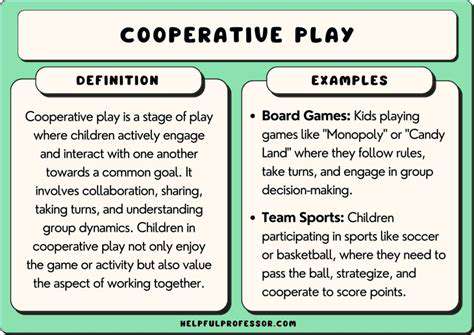
Establishing a weekly family game night can be an excellent way to replace screen time with engaging social interaction. Board games, card games, and puzzles promote teamwork and strategic thinking. Additionally, according to a study published in the Journal of Family Psychology, regular Family Activities can significantly improve communication and relationships among family members, creating a cohesive family unit.
Promoting Outdoor Play
Outdoor play is critical for physical development and can help children develop motor skills and coordination. Engaging in sports or simply playing tag can have tremendous benefits for children’s physical health while providing a great outlet for their energy. The outdoors also offers opportunities for learning about nature and environmental stewardship, fostering a sense of curiosity.
Encouraging playdates or community sports teams can help children socialize in a healthy environment, building friendships and working together toward common goals. Parents should actively schedule playtime into their weekly routines to ensure these opportunities do not fall by the wayside.
Establishing a Routine
Children thrive on structure, making it essential to establish a consistent routine that balances screen time with alternative activities. Consider creating a visual schedule that includes designated times for screens, homework, chores, and leisure activities. This approach not only helps children understand what to expect but also instills a sense of responsibility and accountability.
Involving your child in this process can make them more invested in following the schedule. Ask them to suggest activities they enjoy or are curious about. This involvement can lead to better engagement with the activities as they feel a sense of control over their own choices.
Encouraging Skills Development
Replacing screen time with skill-based activities can foster personal growth and development in your children. Cooking, gardening, or building models can teach practical skills while boosting confidence. The act of creating something tangible reinforces a sense of accomplishment and encourages perseverance, traits essential for personal and academic success.
Additionally, enrolling children in workshops or classes—whether it’s painting, coding, or martial arts—can provide opportunities for skill development in a fun environment. These experiences not only teach new skills but also help children form connections with peers who share similar interests, enriching their social circles outside of a digital setting.
Utilizing Parental Controls and Monitoring Tools

Understanding the Importance of Parental Controls
In a digital age where children are constantly exposed to screens, Parental Controls serve as a vital tool for safeguarding their online experiences. These tools allow parents to set limits on what content their children can access, ensuring that they are not exposed to inappropriate material. Research shows that 70% of parents believe that monitoring their child's screen time is essential for their safety.
Parental controls can range from simple app restrictions to comprehensive monitoring systems that track online activities. They enable parents to create a safer Digital Environment where children can explore without dangers associated with the internet. As a parent, familiarizing yourself with these features can help you implement effective guidelines for your family.
Types of Monitoring Tools Available
- Device-Specific Parental Controls
- Third-Party Applications
- Network-Level Filtering
- Usage Tracking Software
- Content Filters
Different types of monitoring tools offer various levels of control and tracking capabilities. For instance, device-specific parental controls are often built into smartphones, tablets, and gaming consoles, allowing parents to set restrictions directly on the device. In contrast, third-party applications provide more comprehensive features such as activity logging and blocking access to specific websites or categories of content.
Network-level filtering tools can also be effective; these can be installed on the home network to safeguard all devices connected to it. Such functionalities ensure a seamless experience for parents, making it easier to manage screen time without constantly reviewing each child's device.
Setting Up Effective Restrictions
Creating a balanced Screen Time Plan starts with determining what restrictions suit your family's unique needs. Open discussions about why certain content is restricted can foster understanding and compliance among children. Ensure your restrictions are not just punitive but educational, teaching your kids about responsible internet use.
Implementing time limitations can also be pivotal; for example, setting a daily cap on screen time encourages kids to pursue alternative activities like reading or outdoor play. Consistency in enforcing these rules is essential—it helps children develop a routine that promotes healthier habits.
Monitoring tools should also adapt as your child ages. As children grow, what may have been appropriate earlier may no longer fit their developmental stage. Be ready to adjust restrictions and monitoring levels accordingly.
Engaging with Your Child’s Online Activities
It's crucial for parents to not only implement controls but also engage with their child's digital life. Actively participating in online activities can provide insights into their interests and foster stronger relationships. Consider co-viewing or playing video games together to better understand the online environment your child navigates.
Discussing the online content they consume or the games they play can yield valuable conversations about ethics, safety, and privacy. This engagement also shows that you value their opinions and are interested in their experiences, which can encourage open communication about any issues they may encounter online.
Reviewing and Adjusting Your Strategy
Regular review of your parental controls and monitoring strategy is vital for maintaining its effectiveness. As technology evolves, new methods of accessing content emerge, necessitating ongoing adjustments to your plan. Schedule routine discussions with your children about their digital usage to gauge how well your strategy is working and if any changes are needed.
Additionally, keep an eye on new tools and technologies that may offer better tracking and monitoring options. The digital landscape is constantly changing; staying informed will help you better protect your children and ensure a balanced approach to screen time. Careful evaluation of your screens management strategy promotes both safety and healthy habits.
Adapting the Plan as Family Needs Change
Understanding Developmental Stages Among Family Members
As families grow and change, so do the needs of individual members regarding screen time. Studies show that children in different developmental stages have varying capacities for understanding and managing their screen time. For instance, toddlers require minimal screen exposure, while teenagers might engage more deeply with technology for both education and social interactions. Recognizing these differences is crucial for creating a balanced screen time plan.
Moreover, during transitional phases—like a child moving from elementary to middle school—families may need to reassess their screen time strategies. Each age group encounters unique challenges and opportunities, influencing how they interact with media.
Incorporating Family Activities to Balance Screen Time
One effective approach to adapting your family's screen time plan is to incorporate screen-free family activities. Engaging in outdoor activities, board games, or collaborative projects can provide alternatives that foster connection while also educating and entertaining. Research from the American Academy of Pediatrics emphasizes the value of shared family experiences in promoting healthy development and reducing reliance on screens.
Encouraging family participation not only balances screen time but also reinforces family bonds. It can be particularly beneficial during weekends or holidays when families ideally spend more time together, guiding kids toward leisure activities that don't revolve around screens.
Moreover, the addition of schedule slots for family activities in place of screens can create anticipatory excitement. A well-structured plan can help every family member understand the value of downtime that promotes creativity and interpersonal connections.
Regularly Reviewing and Adjusting the Screen Time Plan
Last but not least, it's vital to regularly review and adjust your family's screen time plan based on what works and what doesn't. Family dynamics can shift dramatically due to changes in school, extracurricular commitments, or even new interests that arise. These shifts may necessitate a reassessment of limits and expectations regarding screen usage.
For instance, if a child expresses interest in coding, it may be worth increasing their screen time to support this new passion while ensuring that it's balanced with offline learning activities. Conducting family meetings to discuss screen time usage can foster open communication, allowing everyone to voice their feelings and opinions about the current plan. Data from a recent survey indicated that 76% of families who actively discussed and adjusted their screen time found it effective in aligning their goals.
Read more about