Contents
Body image influences self-esteem and mental health in children.
Open discussions combat negative body ideals and foster resilience.
Modeling positive self-talk encourages healthier self-perceptions in children.
Limit media exposure to reduce negative body image impacts.
Promote healthy lifestyles to enhance children’s body image and self-esteem.
Celebrate diversity to reinforce positive body image and acceptance.
Encourage Open Conversations About Body Image

Understanding Body Image and Its Impact
- Body image refers to an individual's perception of their physical appearance.
- A positive body image can significantly boost self-esteem and overall mental health.
- Negative body image is linked to various psychological issues, including anxiety and depression.
Understanding body image is crucial for parents and educators aiming to foster a healthy mindset in children. Research indicates that children as young as five can begin to develop notions of body image, primarily influenced by their environment and social interactions. They often adopt ideals based on media portrayals, peer comparisons, and family attitudes. Thus, cultivating a positive self-image can directly combat self-esteem challenges.
A review published in the journal *Body Image* highlights that children who engage in discussions about their bodies are more likely to develop resilience against negative ideals. These conversations can help them differentiate between societal standards and their unique self-worth. As a result, fostering open dialogues at home and schools can create a safe space for Positive body image development.
Creating Safe Spaces for Open Dialogue
Creating a Nurturing environment where children feel comfortable discussing body image is essential. Parents and caregivers should encourage these conversations regularly. Using real-life examples from everyday experiences can make it easier for children to relate and express their feelings. This can include talking about body diversity in media, favorite athletes, or even discussing personal body-related experiences.
Additionally, it’s important to model positive self-talk around body image. Children observe and mimic adult behavior. Therefore, when adults speak positively about themselves and others, it normalizes healthy body conversations. Research from the Dove Self-Esteem Project suggests that families who engage in positive body discourse significantly reduce the likelihood of children struggling with body dissatisfaction.
Utilizing Educational Resources and Support
To further support children's body image discussions, accessing educational resources can be incredibly beneficial. Various organizations offer workshops and materials aimed at promoting a Positive Body Image. For instance, the National Eating Disorders Association provides resources tailored for parents, educators, and children to help them navigate these conversations effectively.
Additionally, you might consider encouraging participation in body-positive programs or communities. Connecting with peers who share similar values can reinforce positive self-image and establish protective social networks. Group activities focusing on body positivity can also celebrate diversity and individuality, helping children embrace who they are.
Ultimately, integrating these educational supports and resources into daily discussions about body image can reinforce the concept of acceptance and appreciation for varied body types. Creating an open dialogue around body image not only fosters healthy self-esteem but can also empower children to pursue their interests free from the burdens of societal pressures.
Model Positive Self-Talk
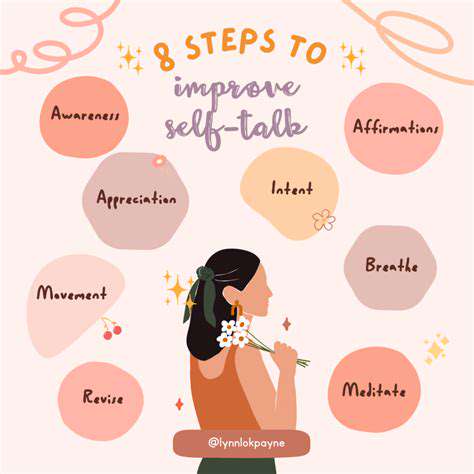
Understanding Self-Talk and Its Impact
- Self-talk refers to the internal dialogue we have with ourselves.
- Positive self-talk can significantly enhance a child's self-esteem.
- The language children use in self-talk affects their emotional well-being.
Self-talk is essentially the dialogue individuals have within their minds, and for children, this can be particularly influential. Research shows that children who engage in positive self-talk exhibit higher levels of self-esteem and resilience. By promoting an encouraging internal narrative, parents and educators can help children navigate challenges more effectively.
Additionally, positive self-talk shapes how kids perceive their abilities. When children use affirming language, they are more likely to view themselves positively and feel competent in their skills. This can be pivotal during formative years when self-image begins to take shape.
Practical Ways to Model Positive Self-Talk
Modeling positive self-talk for children often involves several practical strategies that reinforce this concept. For example, parents can share their own self-talk practices during challenges they face, demonstrating resilience and a positive mindset. Encouraging phrases like “I can handle this” or “I learn from my mistakes” can create a powerful learning experience.
Another effective method is through role-playing scenarios where children can practice positive affirmations. This not only helps them recognize self-talk but also allows them to experiment with language that promotes a positive self-image in a fun and relatable way.
Finally, celebrating small victories with phrases like “You did great, keep it up!” teaches children to affirm their own achievements, gradually fostering a habit of positive self-reflection.
Encouraging Children’s Self-Affirmations
Encouraging children to practice self-affirmations can significantly boost their self-confidence. One effective approach is to help them create a list of affirmations tailored to their individual strengths and aspirations. This personalizes the activity and makes it resonate deeper with them.
Additionally, integrating these affirmations into daily routines can be quite beneficial. For instance, children might recite their affirmations in the morning as a part of their daily routine, reinforcing a positive mindset from the very start of their day.
Furthermore, parents can facilitate group activities where children express positive affirmations about each other. This not only fosters a sense of community but also encourages them to appreciate the strengths of their peers, thus normalizing positive self-talk among friends.
Overcoming Negative Self-Talk
Negative self-talk can be a significant barrier to developing a positive body image, and recognizing it is the first step toward change. Parents can help children identify negative language they might use, such as I'm not good enough or I can’t do it. By acknowledging these phrases, children can learn to challenge and reframe their thoughts.
It’s also crucial for caregivers to guide them in transforming negative statements into positively-oriented alternatives. A simple shift from I can’t to I will try my best can fundamentally change a child's approach to challenges. This method fosters a mindset characterized by growth and development.
Finally, employing journaling techniques where children record instances of negative self-talk and actively replace them with positive affirmations can make the change more permanent. This practice not only builds awareness but also marks their progress over time, further reinforcing the effectiveness of positive self-talk.
Limit Exposure to Unrealistic Media Images

Understanding the Impact of Media on Body Image
The media plays a significant role in shaping children's perceptions of beauty and body image. Studies indicate that exposure to idealized images can lead to feelings of inadequacy and poor self-esteem among young people. It is critical to recognize that children are impressionable and tend to mimic the standards they see in advertising and social media.
Research by the American Psychological Association highlights the link between media exposure and body dissatisfaction, noting that children who frequently consume certain types of media report higher levels of negative body image. Therefore, Understanding This Influence is the first step in mitigating its effects.
Strategies to Limit Media Exposure
- Encourage critical viewing of media content.
- Set boundaries for screen time, especially for social media.
- Promote content that showcases diverse bodies.
One effective approach to limit unrealistic media images is to foster media literacy among children. Teaching children how to analyze and critique media messages instills a sense of skepticism towards the images they see. This Critical Thinking Can Empower them to resist harmful narratives about body image.
Promoting Positive Media Role Models
Another significant strategy involves highlighting positive role models in media. Introducing children to figures who embrace diverse body types and promote self-acceptance can have a profound impact on their self-image. By following these role models, kids learn to appreciate individuality rather than conform to narrow standards of beauty.
Parents can also curate their children’s media environment by choosing shows or influencers that actively promote body positivity. Over time, this can create a healthier media landscape that supports the development of a positive body image.
The Role of Parents and Caregivers
Parents and caregivers play a crucial role in shaping children's understanding of body image. Engaging in open conversations about media portrayals and beauty standards helps children develop critical thinking skills. Encouraging questioning and discussion not only empowers children but also helps reinforce a sense of self-worth that is not tied to their appearance.
Additionally, it is beneficial to model healthy behaviors and attitudes towards one’s own body. Children learn from examples; when they see their caregivers embracing their own imperfections and promoting self-love, they are more likely to adopt similar attitudes.
Promote Healthy Lifestyle Choices
Understanding Nutrition Basics
Nutrition is a vital component in maintaining a Healthy Lifestyle and positively influencing body image. Parents should educate their children about the importance of a balanced diet that includes a variety of food groups. This includes fruits, vegetables, whole grains, proteins, and healthy fats, all of which contribute essential nutrients to support growth and development.
Research indicates that children who understand nutrition are more likely to make healthier food choices. According to a study published in the journal Obesity, children who are taught about nutrition early in life show a significant decrease in unhealthy eating habits as they grow older.
Encouraging Physical Activity
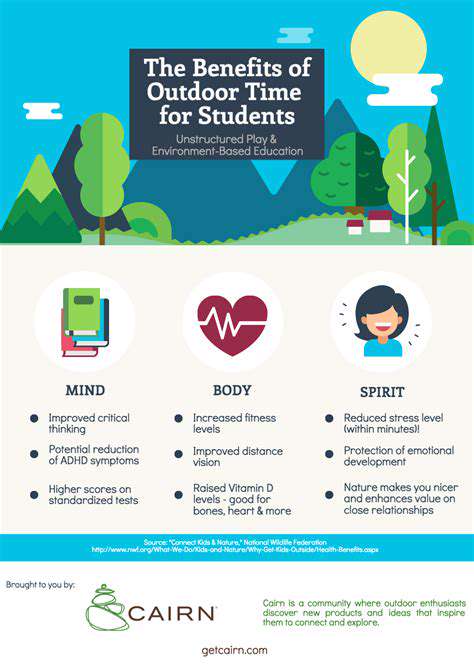
Regular physical activity is essential not just for physical health but also for mental well-being and self-esteem. Kids should engage in at least an hour of moderate to vigorous activity daily. This could include sports, dance, or even just playing outside. Encouraging kids to find activities they enjoy makes it more likely they'll stick with them long-term.
Promoting Body Positivity
Conversations about body image should focus on appreciating our bodies for what they can do and not how they look. Parents and educators can model body positivity by expressing gratitude for their own bodies and avoiding negative talk about body shapes and sizes. This sets a strong precedent for younger generations.
According to the National Eating Disorders Association, promoting a culture of body acceptance can greatly affect children’s self-esteem. Encouraging kids to celebrate their unique attributes fosters resilience against societal pressures related to body image.
Setting Realistic Beauty Standards
It’s important to discuss the media's influence on beauty standards with children. Highlight that many images in advertising and social media are digitally altered and do not represent reality. This critical understanding allows children to navigate media messages more effectively and strengthens their self-image.
Involvement in Meal Preparation
Involving children in meal preparation serves multiple benefits, from teaching them about healthy eating to allowing them to explore their culinary skills. This hands-on approach helps them develop a positive relationship with food and fosters an understanding of nutritional choices. It's a great way to create family bonding experiences as well.
A study conducted by the American Journal of Preventive Medicine shows that children involved in cooking are more likely to consume healthier meals, equipping them with essential life skills while also promoting health consciousness.
Creating Supportive Environments
Creating an atmosphere that prioritizes health and wellness is fundamental. This means surrounding children with positive influences, including friends and family members who promote healthy lifestyles. Schools play a crucial role by providing nutritious meals and incorporating physical activities into daily routines.
Fostering Mindfulness and Self-Compassion
Teaching Mindfulness Techniques can help children develop a healthier awareness of their bodies and feelings towards food. Mindfulness practices encourage them to acknowledge their thoughts without judgment, leading to a more balanced view of food and self-image. Regular practice can decrease anxiety related to eating and body image.
Developing self-compassion allows children to treat themselves with kindness, especially in instances of perceived failure. According to a review published in the Journal of Child Psychology and Psychiatry, children who develop self-compassion generally have better psychological resilience, leading to healthier self-perceptions overall.
Celebrate Diversity and Individuality
Understanding Body Image in Children
Body image refers to how children perceive their bodies, which can be influenced by various factors including Societal Standards, media representation, and peer interactions. Research indicates that children's self-esteem is closely tied to their body image, which means that fostering a positive body image is crucial in childhood development. Moreover, studies show that negative body image can lead to mental health issues such as anxiety and depression, highlighting the need for a supportive environment.
From a practical perspective, discussing body image with children can help reinforce positive self-perception. Parents, educators, and caregivers should create an open dialogue where children feel safe talking about their feelings related to their bodies. Integrating lessons about diversity in body shapes and sizes into everyday conversations can instill a sense of acceptance and appreciation for uniqueness.
Promoting Positive Representation in Media
Media plays a significant role in shaping perceptions about body image among children. According to studies by the American Psychological Association, exposure to idealized body types can negatively influence children's self-esteem and body satisfaction. Hence, promoting positive representation in media is essential. Encouraging children to engage with media that showcases a diverse range of bodies contributes to a more positive body image.
Parents and educators can take an active role by evaluating the content children consume. Choosing films, books, and shows that celebrate various body shapes, sizes, and abilities can help counteract unrealistic standards. Providing tools for critical viewing, where children analyze and question media messages, can also empower them to develop a healthy view of themselves.
Fostering Acceptance Through Education
Education is fundamental in enhancing children's understanding of diversity. Implementing programs in schools that focus on inclusivity and respect for differences can help cultivate a more accepting environment. For example, lessons that address cultural, racial, and physical diversity should be integrated into the curriculum, allowing students to appreciate the variety and beauty in differences.
Moreover, teaching empathy and critical thinking can lead to a reduction in bullying and negative comments regarding appearance. Educators can encourage activities where children share their unique traits, fostering camaraderie and respect. Building a community that values diversity among peers can significantly reinforce positive body image.
Encouraging involvement in group activities, sports, and arts can also help children gain confidence in their abilities, shifting focus away from appearance to skills and talents.
Encouraging Healthy Lifestyle Choices
Promoting a healthy lifestyle is critical for developing a positive body image. Encouraging children to engage in physical activities that they enjoy can foster a sense of accomplishment and improve self-esteem without focusing solely on appearance. This approach supports overall health, reinforcing positive behaviors that benefit both body and mind.
Alongside physical activities, instilling healthy eating habits should be a priority, with an emphasis on balance over restriction. Teaching children about nutrition in an interactive way—like involving them in meal preparation—can empower them and promote a positive relationship with food, emphasizing nourishment rather than restriction.
Creating a Supportive Environment at Home
Home is where children form many foundational beliefs about their bodies and self-worth. Parents play a crucial role in modeling positive body image behaviors. This can be achieved by avoiding negative comments about their own or others’ bodies and focusing instead on attributes unrelated to appearance, such as character and kindness. Research shows that children who see their parents engage in healthy behaviors are more likely to adopt these behaviors themselves.
Family discussions about diversity and individuality can also reinforce these ideals. Encouraging family members to share compliments not tied to physical features, as well as creating traditions that celebrate diverse attributes, can help children develop a robust self-image based on acceptance and appreciation.
Engaging with Community Resources
Community resources can greatly aid in promoting a positive body image. Local organizations often run workshops that focus on self-esteem, body positivity, and diversity. Participating, or advocating for children to be involved in such programs, can provide additional support and reinforce positive concepts discussed at home and in schools.
Additionally, community events such as cultural fairs or art shows can expose children to diverse perspectives, further nurturing acceptance and understanding of individual differences. By making these experiences accessible, leaders can help children learn the importance of diversity as a community strength, fostering a collective positive body image.
Read more about