List of Contents
Separation anxiety shows through physical symptoms like sweating and stomach aches.
Behavioral changes include clinginess, tantrums, and social withdrawal.
Emotional indicators involve sadness, frustration, and excessive worry.
Anxiety can hinder academic performance and lead to isolation.
Untreated anxiety may result in severe psychological issues later in life.
Consistent routines can help children cope with separation anxiety effectively.
Gradual exposure therapy builds confidence and reduces separation-related stress.
Open communication about feelings promotes healthier coping strategies in children.
Seek professional help if anxiety symptoms persist or worsen.
Recognize the Signs of Separation Anxiety

Identifying Physical Symptoms
Often, separation anxiety manifests through various physical symptoms. Watching for signs like excessive sweating, trembling, or a Racing Heart can be crucial in recognizing anxiety episodes. Children may complain of stomach aches or headaches, especially before school or other separations. These physical symptoms can serve as indicators that a child is experiencing distress when away from a caregiver.
Additionally, children with separation anxiety may have difficulty sleeping, often experiencing nightmares related to being separated from their parents. These nightmares are not just passing issues; they can heavily impact a child's daily activities and overall well-being. As such, it's essential for parents to take note of any sleep disruptions that coincide with separations.
Behavioral Changes to Watch For
- Increased clinginess during transitions
- Withdrawal from social situations
- Recurrent tantrums when anticipating separation
Behavioral changes can often be the most telling indicators of separation anxiety. Children may display increased clinginess, particularly during transitional periods, such as bedtime or school drop-offs. Tantrums or meltdowns in these moments are not uncommon—it's a sign of deeper feelings of insecurity. Recognizing these patterns early can help parents address the child's feelings more effectively.
Another common behavior is withdrawal from social situations or reluctance to engage in activities without the presence of a caregiver. This can lead to a cycle where the child misses out on experiences, which only serves to reinforce their anxiety. Parents should strive to gently encourage their children to participate in social events, even when they resist initially.
Emotional Indicators of Anxiety
Emotional signs of anxiety can be subtle, yet they play a significant role in identifying separation anxiety. Children may express feelings of sadness or frustration when faced with being apart from a parent or guardian. They might also be excessively worried about something bad happening during the separation. It's important to approach these emotional responses with empathy, acknowledging their feelings without dismissing them.
Additionally, some children may show heightened sensitivity, perceiving situations as more threatening than they truly are. This can manifest as panic or fear in various settings. Parents should observe these emotional cues, as they inform how best to support the child's coping mechanisms.
Impact on Daily Functioning
Separation anxiety can significantly interfere with a child's daily life. When anxiety levels become overwhelming, academic performance may suffer due to an inability to focus. Children may frequently ask to stay home from school or create excuses to avoid situations where they must be apart from loved ones. This can lead to a decline in overall academic engagement and social interactions.
In more severe cases, a child's reluctance to engage in normal activities may lead to feelings of isolation or inadequacy. Parents must be vigilant in monitoring these impacts, ensuring they seek appropriate help if anxiety disrupts their child's quality of life. Early intervention can mitigate long-term consequences, helping the child thrive despite their feelings of anxiety.
Long-term Implications if Untreated
If separation anxiety is not addressed, it can lead to broader psychological issues later in life. Research indicates that untreated anxiety disorders in childhood often continue into adolescence and adulthood, affecting social skills and self-esteem. It's essential for parents to understand that while separation anxiety is common, it can pave the way for more serious conditions if not managed effectively.
Supportive interventions, including therapy and gradual desensitization techniques, can significantly improve a child's ability to cope with separations. This proactive approach can set the child on a path toward resilience and emotional health. Parents should continually advocate for their child's well-being by seeking out professional support when necessary.
Strategies for Help and Support
Developing effective coping strategies is crucial in aiding children with separation anxiety. Parents can start by establishing a Consistent Routine that reassures children during times of transition. This might include short goodbye rituals or predictable pick-up times that create stability. Familiar routines help children anticipate separations without fear, fostering a sense of security.
Moreover, engaging with a professional, such as a child psychologist, can provide parents with tailored strategies to support their child's needs. Workshops and support groups can also be beneficial. Having a network of parents who face similar challenges can enhance understanding and provide critical insights. It’s important to remember that separation anxiety is manageable, and with the right support, children can develop stronger coping skills for the future.
Establish a Consistent Routine
Designing the Daily Schedule
Creating a Structured Daily Schedule can significantly alleviate separation anxiety in children. A habitual routine provides children with a sense of security, as they know what to expect during the day. Incorporating consistent times for activities like meals, play, and bedtime can help establish a predictable environment that supports emotional stability.
Research by the National Institute of Mental Health highlights that children thrive in environments where stability and predictability are prioritized. By adhering to a daily schedule, caregivers can help children feel more relaxed and less anxious about separations.
Incorporating Transition Periods
It's crucial to include transition periods in your child's routine, especially before separations. This might entail brief activities together that signal the impending parting, such as reading a book or engaging in a simple craft. These transitional activities help the child mentally prepare for the upcoming changes and make it easier to cope with the absence.
Setting aside dedicated time for farewells can also minimize anxiety. Making these farewells brief yet affectionate—without prolonged delays—reinforces the importance of the routine and establishes trust. This gives children the reassurance that separations are temporary.
Studies show that when children are supported through clear transitions, they generally face fewer difficulties during separations. This approach allows parents to create a foundation of trust, helping children navigate future separations with increased confidence.
Modifying the Routine as Needed
While establishing a consistent routine is beneficial, it is important to remain flexible to adapt to your child's evolving needs. Children grow and change rapidly; their comfort levels with separation may shift based on developmental stages or external factors like school changes or family dynamics. Parents should remain observant and willing to adjust routines accordingly.
For example, if a child is expressing increased anxiety on certain days, it may be helpful to shorten the separation time initially and gradually increase it as they adapt. Regular check-ins with a pediatrician or child psychologist can provide additional strategies to support ongoing adjustments.
Gradual Exposure to Separation
Understanding the Concept of Gradual Exposure
Gradual exposure is a psychological technique used to reduce anxiety by slowly introducing stressors in a controlled manner. For children dealing with separation anxiety, this means starting with brief departures and progressively increasing the time apart. Research indicates that children build confidence when they can predict their parent’s return, which contributes to reduced anxiety levels. Studies have shown that this method can be quite effective, with some therapists recommending a stepwise approach to exposure that takes weeks, if not months, depending on the child's individual needs.
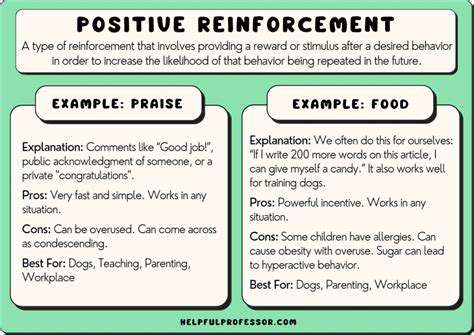
One crucial aspect of gradual exposure is the use of positive reinforcement. For instance, each time a child successfully manages a short separation, parents should acknowledge this achievement to encourage resilience. Getting creative with rewards can make the process more engaging; simple praise, stickers, or even a favorite snack can act as motivation. Parents should also note the child's comfort levels and adjust the intervals as needed, ensuring the process remains supportive and adaptive to their emotional state.
Stages of Gradual Exposure
Implementing gradual exposure can be broken down into several stages. Initially, parents might start with short periods of separation while remaining in the same environment, like leaving the room for a few minutes. This can help the child understand that they are safe and that the parent will return shortly. The next stage could involve brief outings, such as stepping outside or visiting a nearby friend while leaving the child in another room, gradually increasing the distance and duration of separation. A study from the American Academy of Pediatrics indicated that children can significantly diminish anxiety regarding separations through such staged exposure.
Tips for Effective Implementation
When establishing a routine for gradual exposure, it is vital to create a consistent environment for your child. Predictability helps to establish a sense of security. Parents might use a visual timer or a simple calendar to help the child anticipate when they will reunite, which fosters a sense of control over the situation. Additionally, keeping goodbyes short and positive is essential; extended farewells can actually increase anxiety rather than diminish it. In situations where anxiety is heightened, caregivers can gently remind the child of the successful separations they have managed in the past.
Furthermore, patience is key. Every child is unique, and what works for one may not work for another. It is wise for parents to take notes during this process to identify patterns of success or stress. Monitoring reactions can help in tailoring the approach, ensuring the strategy is effective while also being compassionate to the child's feelings. Resources such as counseling services can also offer individualized strategies to enhance this journey.
Communicate Openly About Feelings
Establish Open Lines of Communication
Creating an environment where children feel comfortable expressing their emotions is crucial for managing separation anxiety. Parents should initiate conversations about feelings regularly, encouraging their children to share what they are experiencing. Research shows that children who have open discussions about their emotions tend to develop healthier coping strategies. As a parent, you might ask your child how they feel before and after separations, making it clear that it’s okay to discuss any fears or concerns.
Effective communication also includes active listening. When your child speaks, it's vital to validate their feelings without dismissing them. Acknowledging their emotions reinforces that it’s normal to feel anxious. For instance, instead of saying, There's nothing to worry about, try affirming, I understand you feel scared when we are apart; that’s okay. This approach helps children feel heard and provides them with the emotional support they need during tough times.
Use Age-Appropriate Language and Tools
When discussing feelings related to separation, tailoring your language to your child's age can increase understanding and ease their fears. Young children may respond better to simple explanations and tangible examples. For instance, using stories or toys can help them visualize what to expect during separations. There are various children's books focused on separation that can be useful in helping kids comprehend their feelings.
For older children, you might integrate more complex discussions about emotions and coping strategies. Encourage them to keep a feelings journal, where they can write or draw about their emotions surrounding separation. This method not only provides an outlet for expression but also allows for introspection and can foster greater emotional literacy. When children engage with their emotions through age-appropriate means, it enhances their ability to articulate feelings effectively.
Seek Professional Help if Necessary

Understanding the Signs of Severe Separation Anxiety
- Behaviors such as excessive crying or tantrums
- Physical symptoms like nausea or headaches
- Persistent fear of being alone or away from caregivers
- Difficulty sleeping alone at night
Recognizing the signs of Severe Separation Anxiety is crucial for timely intervention. Children displaying symptoms like excessive crying or tantrums when separated from a parent may be struggling more than usual. It's essential to monitor these behaviors over time to distinguish between normal developmental reactions and more serious issues.
In addition to emotional distress, some children might exhibit physical symptoms, such as nausea or headaches, particularly when anticipating separation. These signs can often indicate that the anxiety is affecting the child’s overall well-being. Keeping track of when and how these physical symptoms occur can provide valuable insights for parents.
When to Seek Professional Help
Determining when to enlist Professional Help can be challenging. If a child's separation anxiety persists for an extended period or intensifies, it’s vital to consult a mental health professional. Research from the American Academy of Pediatrics shows that prolonged anxiety can disrupt a child's social development and academic performance. Engaging with a professional can offer tailored strategies and therapeutic interventions.
Types of Professionals Who Can Assist
Several professionals specialize in dealing with separation anxiety in children. Psychologists and child therapists are well-equipped to provide therapy, including cognitive-behavioral techniques that can manage anxiety effectively. Parents may also consult pediatricians for initial assessments or referrals to mental health experts.
Another helpful resource may be school counselors, who can offer support not just for the child but also insight on how to navigate anxiety in academic settings. They often have experience in managing anxiety and can suggest coping mechanisms tailored to the school environment.
Therapeutic Approaches to Consider
Cognitive-behavioral therapy (CBT) remains one of the most effective treatments for managing separation anxiety. This approach focuses on helping children identify and modify negative thought patterns about separation. Through gradual exposure to separation experiences, they learn coping strategies that reduce their anxiety levels.
In addition, family therapy can be beneficial, as it addresses familial dynamics that may contribute to anxiety. Engaging the entire family unit promotes understanding and collective coping mechanisms, which can significantly ease the child's emotional burden.
Monitoring Progress and Adjusting Treatment Plans
Once professional help has been sought, it's essential to monitor progress closely. Setting specific, measurable goals with the help of a child therapist can help families determine the effectiveness of the treatment. Regular follow-ups can ensure that any necessary adjustments to the treatment plan are made promptly.
Documentation of the child's emotional state and behaviors over time can be invaluable. Parents are encouraged to keep a journal outlining the child’s responses to different separation scenarios and treatment strategies. This can provide clinicians with a clearer picture and facilitate targeted refinements to care strategies.
Read more about