Catalog
Resilience enables children to adapt and grow from challenges.
Supportive environments enhance children's resilience through communication and relationships.
Parents can foster resilience by modeling problem-solving and positive thinking.
Schools promote resilience through structured learning and support programs.
Resilient children often achieve better mental health and social relationships.
A growth mindset encourages children to view obstacles as opportunities.
Problem-solving frameworks boost children's critical thinking and confidence.
Emotional awareness helps children navigate social interactions effectively.
Strong support systems involve family, friends, and community resources.
Technology offers immediate access to support and connection.
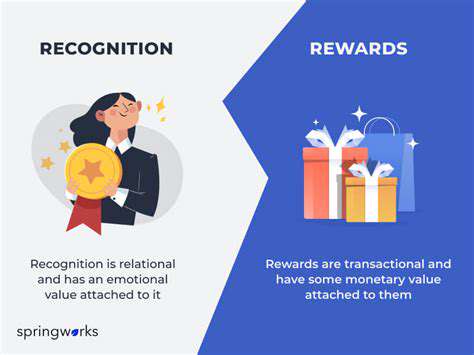
Celebrating achievements fosters self-esteem and encourages perseverance.
The Importance of Resilience in Childhood Development
The Definition of Resilience in Children
Resilience is generally understood as the ability to withstand, recover, and grow from difficulties or stress. In the context of childhood development, it includes how children adapt to challenges, whether they stem from family dynamics, academic pressures, or peer relationships.
Experts highlight that resilience is not an innate trait but rather a set of skills that can be nurtured over time. According to the American Psychological Association, resilient children display various behaviors that showcase their ability to cope and rebound from stressful situations, setting them up for future success.
Factors Influencing a Child's Resilience
Multiple factors shape a child's capacity for resilience, including their environment, parental support, and peer relationships. A nurturing home environment that emphasizes open communication fosters resilience by allowing children to express their feelings and thoughts freely.
Moreover, involvement in extracurricular activities, such as sports or arts programs, has been shown to promote resilience among children. These activities not only offer a sense of belonging but also teach children essential skills such as teamwork and conflict resolution.
Research from the Harvard Center on the Developing Child illustrates that children with secure attachments to caregivers are better equipped to face adversity. This reality underscores the importance of strong, supportive relationships in building resilience.
Strategies for Parents to Foster Resilience
Creating an environment that nurtures resilience begins at home. Parents can encourage resilience by implementing effective Coping Strategies, allowing children to face challenges in controlled settings. For instance, problem-solving exercises can help children learn how to approach difficulties while reinforcing their self-efficacy.
Additionally, demonstrating positive thinking and adaptive coping mechanisms in everyday situations can significantly influence children. When parents model resilience in their actions, they set a powerful example for their children, helping them navigate challenges more effectively.
A study conducted by the Child Development Institute emphasizes the value of unconditional support from parents. Children who perceive support from their families are likely to develop a stronger sense of resilience, enabling them to handle future adversities more adeptly.
The Role of Education in Building Resilience
Schools play a crucial role in fostering resilience by providing a structured environment where children can confront challenges. Teachers can implement resilience-building programs that equip students with the necessary skills to resist peer pressure and cope with academic stress.
Incorporating social-emotional learning (SEL) in the curriculum is an effective way to build resilience. Research has shown that SEL programs not only improve emotional regulation but also enhance students’ overall academic performance and well-being.
Furthermore, schools can partner with parents to promote resilience. Parent-teacher meetings can serve as platforms for discussing strategies that reinforce the skills learned at school, ensuring that children receive consistent messages both at home and in the classroom.
According to the World Health Organization, promoting mental health through educational initiatives can lead to a more resilient generation capable of thriving in the face of challenges.
Long-term Benefits of Resilience in Childhood
The advantages of resilience extend well into adulthood. Studies indicate that children who exhibit resilience tend to have better mental health outcomes, higher academic achievements, and more robust social relationships as they grow older. Such attributes can significantly impact their professional lives and personal interactions.
Moreover, resilient individuals are often more adaptable in the face of changes and challenges, contributing to their ability to handle the demands of modern life. The potential to navigate life’s ups and downs with greater ease leads to a more fulfilling and successful life experience.
Building resilience in childhood lays the foundation for lifelong skills, including effective stress management, robust problem-solving abilities, and healthy relationships. Investing in developing these skills during childhood is, therefore, a crucial step toward achieving holistic well-being in adulthood.
Encouraging a Growth Mindset
Understanding the Concept of Growth Mindset
A Growth Mindset is the belief that abilities and intelligence can be developed through dedication and hard work. This perspective fosters resilience, encourages risk-taking, and enhances learning. According to research by psychologist Carol Dweck, individuals with a growth mindset are more likely to embrace challenges rather than avoid them, which leads to higher levels of achievement. Parents can play a pivotal role by modeling this mindset in everyday situations, thus creating an environment where children feel empowered to explore their capabilities.
To help children adopt a growth mindset, it’s crucial to praise their efforts rather than their innate talents. Instead of saying, You are so smart, try saying, I am proud of how hard you worked on that puzzle. This shift in language not only reinforces the process but also encourages children to persevere when they encounter difficulties, reinforcing the idea that challenges are opportunities for learning and growth.
Practical Strategies for Fostering a Growth Mindset
Incorporating practical strategies at home and in educational contexts can significantly enhance a child's growth mindset. One effective approach is to encourage children to set specific, achievable goals. When children engage in goal-setting, they learn to break down tasks into manageable parts, making larger challenges feel less daunting. Research has shown that goal-setting not only improves performance but also boosts confidence in their ability to succeed. This method becomes the stepping stone for resilience when they face harder challenges in the future.
Another useful strategy is to create space for reflective dialogue. Engage children in conversations about their experiences after they encounter setbacks. Ask questions like, What did you learn from this? or How could you approach it differently next time? This reflection can be instrumental in helping children understand that failure is a part of the learning process. It enables them to analyze their experiences critically, thus preparing them for future challenges with a stronger, more resilient mindset.
Teaching Problem-Solving Skills
Understanding Problem-Solving Frameworks
To instill effective problem-solving skills in children, it is essential to introduce them to structured frameworks. Research indicates that frameworks such as the IDEAL model—Identify, Define, Explore, Act, and Look back—can enhance critical thinking. By dissecting problems into manageable parts, kids can approach challenges methodically, increasing their confidence and competence over time.
For instance, when presented with a dilemma at school, guiding children to first identify the problem allows them to articulate their concerns clearly. This clarity sets a solid foundation for exploring potential solutions rather than getting overwhelmed by the complexity of the situation. Each step equips them with tools for analysis and reflection, nurturing resilience in the face of difficulties.
Practical Exercises for Skill Development
Engagement in real-life problem-solving scenarios is vital for skill development. Activities like role-playing various scenarios can help children practice responses to challenges. For example, simulations involving peer conflict can teach negotiation techniques while honing empathy. These practical exercises build both their social skills and their ability to navigate conflicts when they arise.
Furthermore, incorporating puzzles and strategy games into their routine not only fosters a spirit of fun but also sharpens cognitive skills. Games like chess or Sudoku encourage children to think several steps ahead, enhancing their strategic thinking abilities that can be applied to real-life situations. Setting specific challenges, such as weekly family trivia competitions, can serve as enjoyable learning opportunities, reinforcing their problem-solving skills in a relaxed environment.
Encouraging a Growth Mindset
Fostering a growth mindset is crucial as it affects how children perceive challenges. Psychology Professor Carol Dweck's research highlights that children who believe abilities can be developed are more likely to embrace obstacles as learning opportunities. Parents can encourage this mindset by praising efforts rather than inherent talent, framing struggles as stepping stones to mastery.
For example, when a child encounters difficulty in math, rather than saying, “You’re just not good at this,” encourage them with statements like, “It’s okay to find this hard; what can we try differently?” This supports their resilience and forms a positive relationship with failure, teaching them that perseverance is an integral part of the learning process.
Utilizing Group Activities for Collaborative Problem Solving
Group activities present a valuable setting for children to practice problem-solving within a team. Activities like group projects or team sports require kids to collaborate, communicate, and strategize alongside their peers. This collaborative environment enhances their ability to hear diverse perspectives and evaluate varying solutions to problems they face collectively.
Encouraging discussion about the pros and cons of different approaches can foster critical thinking and promote social skills. Programs that incorporate cooperative learning have shown to improve not only academic outcomes but also the emotional intelligence of children. By witnessing different viewpoints and experiences, children learn to appreciate teamwork, a vital skill they will carry into adulthood.
Monitoring Progress and Reflecting on Experiences
It's crucial for children to monitor their progress in developing problem-solving skills. Regular check-ins can help facilitate this reflection. Asking open-ended questions about what strategies worked and what didn’t enables self-assessment. For instance, after completing a project, parents can encourage children to discuss their thought process, encouraging a habit of reflection that is valuable for their growth.
Additionally, creating a journal for children to document their problem-solving experiences can serve as a powerful tool for self-reflection. By reviewing past challenges and solutions, they gain insight into their evolution over time. This practice not only reinforces resilience but also transforms mistakes into meaningful learning opportunities, thus fortifying their skills for future obstacles.
Fostering Emotional Awareness and Regulation
Understanding Emotional Awareness
Emotional Awareness involves recognizing one's own feelings and those of others. Research suggests that children who develop this skill can better navigate social interactions. According to a study by the Collaborative for Academic, Social, and Emotional Learning (CASEL), children who are emotionally aware often demonstrate higher academic performance, as they can manage stress and respond to challenges more effectively.
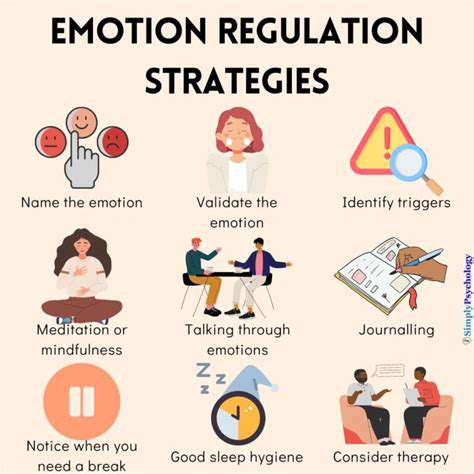
It’s essential to teach children how to identify their emotional states. Simple activities, like journaling or discussing feelings during family meals, can be beneficial. These practices not only promote reflection but also foster communication skills that children will use throughout their lives. Through consistent engagement, emotional vocabulary can be expanded, allowing them to articulate their feelings clearly.
Strategies for Emotional Regulation
Learning how to regulate emotions is vital for children's resilience. Techniques like deep breathing, counting to ten, or engaging in physical activity can help manage feelings of anger or sadness. A publication from the American Psychological Association emphasizes that developing coping strategies can lead to improved emotional stability. Regular practice can make these methods second nature for children, enabling them to handle stress more gracefully.
Additionally, parents can model emotional regulation techniques. Whenever faced with a challenge, expressing how one manages those feelings can provide practical examples for children. This modeling can include discussing personal experiences and the methods employed to cope with setbacks.
Lastly, teaching children to recognize triggers for strong emotions can give them a sense of control. By understanding what invokes feelings like frustration or anxiety, kids can actively work to mitigate these situations, fostering an environment where they feel empowered and secure.
The Role of Supportive Environments
A supportive environment plays a critical role in fostering emotional awareness and regulation. Schools and homes should cultivate spaces where feelings are acknowledged and valued. For instance, implementing regular “check-in” ritual in classrooms allows students to express their feelings actively. This practice is shown to create a stronger class community, enhancing overall emotional intelligence among students.
Furthermore, it's vital for both educators and parents to be approachable, signaling to children that their emotions are valid and important. Training teachers in emotional literacy can create a ripple effect whereby they are better equipped to guide students through emotional challenges.
Encouraging peer support is also paramount. Programs that facilitate group discussions around emotions can provide young people a platform for shared experiences. Research by the Institute of Education Sciences highlights that peer-led initiatives can significantly improve emotional support networks among students, fostering resilience in the face of adversity.
Establishing Strong Support Systems

Identifying Key Support Systems
To build resilience, it's essential to recognize the variety of Support Systems available. This includes family members, friends, teachers, and community services. Each of these plays a unique role in providing emotional and practical assistance.
Research has shown that kids who feel supported are more likely to overcome challenges. Studies emphasize that having trusted adults can significantly influence a child's ability to navigate life's obstacles.
Schools often have counselors and programs specifically designed to help students. Identifying these resources early on can make a significant difference in a child's experience during tough times.
Building Emotional Connections
Emotional Connections are the backbone of effective support systems. Children need to feel they can trust the people around them, which begins with open communication.
Encouraging kids to express their feelings openly is critical. A simple conversation about their day can reinforce that they have someone to turn to when issues arise.
When children recognize that their emotions are validated, they are far more empowered to tackle challenges head-on. This builds a sense of security that fosters resilience.
Creating Involved Communities
- Neighborhood support networks can offer additional resources to families.
- Community programs, such as youth clubs, enhance social skills and resilience.
- Involvement in local activities can foster a sense of belonging.
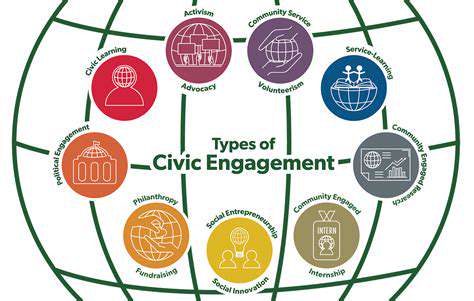
Involvement in a larger community can significantly impact a child's overall resilience. Programs that connect youth with mentors can provide guidance, support, and friendship.
Communities that offer organized activities, such as sports or arts, not only keep kids engaged but also teach them teamwork and cooperation. These skills are vital when facing personal challenges.
Leveraging Technology for Support
In today's digital age, technology can play a significant role in support systems. Online forums and mental health apps provide immediate access to resources and communities.
Moreover, virtual support groups allow children to connect with peers facing similar challenges, fostering a sense of shared experience. This can be particularly beneficial for those who may feel isolated or misunderstood.
However, it's essential to monitor technology use to ensure it remains a positive influence. Balance and moderation in technology engagement can help kids harness its advantages without the risks of negative impacts.
Encouraging Problem-Solving Skills
One of the most effective ways to foster resilience is to help children develop strong problem-solving skills. Teaching them to approach challenges analytically can significantly boost their confidence when faced with obstacles.
Engaging children in discussions about possible solutions when they encounter difficulties allows them to understand that most problems can be approached from multiple angles. This empowers them to think critically and adaptively.
By modeling problem-solving techniques in real-life situations, parents and educators can provide kids with essential tools for navigating challenges effectively. This practical approach reinforces learning and builds resilience over time.
Recognizing and Celebrating Achievements
Finally, acknowledging children's achievements, no matter how small, plays a crucial role in establishing a strong support system. Celebrating milestones reinforces their capabilities and boosts self-esteem.
Regularly acknowledging progress encourages a growth mindset. It helps children understand that overcoming challenges is part of a larger journey rather than an isolated event.
Incorporating this practice fosters resilience by allowing children to see their journey of growth and development, which can be incredibly motivating in the face of future obstacles.
Read more about