Index
- Tantrums often result from environmental factors overwhelming children.
- Identifying emotional triggers helps parents de-escalate tantrums effectively.
- Fatigue significantly increases tantrum frequency in children.
- Social interactions can trigger feelings of inadequacy leading to tantrums.
- Transitions between activities can cause resistance and frustration in children.
- Parental behavior influences children's emotional responses to challenges.
- Long-term strategies should focus on teaching emotional literacy.
- Mindfulness techniques can help manage children's overwhelming emotions.
- Seek professional help if tantrums disrupt daily life significantly.
- Collaborating with schools provides additional support for behavioral challenges.
Recognizing the Triggers of Tantrums

Identifying Environmental Triggers
Many tantrums stem from Environmental factors that can easily overwhelm a child. For instance, crowded places, loud noises, or unexpected changes can trigger overwhelming feelings. Parents should be observant to pinpoint these specific triggers that may lead to distress.
Research indicates that children with heightened sensitivity to sensory input are at a greater risk of experiencing tantrums. Recognizing these environmental triggers allows caregivers to preemptively create a calmer setting to reduce potential outbursts.
Understanding Emotional Triggers
Sometimes, the roots of a tantrum lie in unresolved emotions. Children do not always have the vocabulary to express how they feel, leading to outbursts as their only means of communication. Identifying emotions such as frustration, sadness, or jealousy can help caregivers respond effectively, de-escalating the situation.
Encouraging children to verbalize their feelings can be beneficial. For instance, asking questions like Are you feeling sad because you want that toy? can facilitate understanding and allow the child to communicate rather than react with anger.
Recognizing Fatigue as a Trigger
- Fatigue can lead to irritability and reduced coping mechanisms.
- Sleep-deprived children are more likely to throw tantrums.
- Establishing a consistent sleep routine is essential for emotional regulation.
Sleep deprivation is a significant contributor to tantrums in children. Numerous studies emphasize the link between adequate sleep and emotional stability in children. When children are tired, their ability to handle minor frustrations diminishes, leading to outbursts.
It becomes imperative for parents to assess their child's sleep schedule and ensure they are getting the necessary rest. Implementing a calming bedtime routine could foster better sleep habits and thereby decrease the likelihood of tantrums.
Addressing Social Triggers
Social dynamics can notoriously affect a child's behavior. Interactions with peers, especially in competitive or exclusionary scenarios, can lead to feelings of inadequacy or anger. Being aware of these social triggers is vital for fostering a supportive environment.
Facilitating positive social experiences through cooperative games can build social skills and confidence. Simple practices like promoting teamwork can mitigate feelings of low self-esteem and diminish tantrums stemming from social pressures.
Recognizing Transitions as Triggers
Transitions such as moving from one activity to another can be challenging for children. The shift from playtime to mealtime, for example, can lead to feelings of resistance and frustration. These occurrences can prompt a child to act out, resulting in a tantrum.
To alleviate the stress of transitions, implement advance warnings. For example, announcing We will clean up in five minutes prepares the child for change, minimizing surprise and facilitating smoother transitions throughout their day.
Identifying Behavioral Triggers
Certain behaviors displayed by parents or siblings can significantly affect a child's emotional state. If family members express frustration or anger, children may reflect those feelings in their own reactions. Understanding the family dynamics at play can help in changing the environment for better outcomes.
Moreover, modeling calm and positive behavior can be instrumental. When caregivers demonstrate effective coping mechanisms, it not only sets a precedent but also teaches children valuable emotional regulation skills that can significantly reduce tantrum frequency.
Effective Responses to Tantrums
Understanding Triggers and Patterns
Identifying the Triggers that lead to tantrums is critical for effective management. Research indicates that specific scenarios, such as transitions between activities, unmet needs, or sudden changes in routine, often provoke outbursts in young children. A keen observation of your child's behavior can aid in recognizing these patterns, giving you a head start in preemptively addressing the underlying issues.
It is also beneficial to observe your child’s emotional state prior to an outburst. Many tantrums occur when a child feels overwhelmed. For example, if a child is tired or overstimulated, they are more likely to react with frustration. By understanding these triggers, caregivers can create a more supportive environment and anticipate needs, reducing the likelihood of future tantrums.
Practical Techniques for Immediate Response
When faced with a tantrum, employing specific techniques can be effective. One method is the calm down corner, a designated area where children can take a moment to regain composure. This space can be filled with calming toys or sensory activities, allowing them to self-soothe and reflect. Implementing this resource can empower children to manage their emotions in a controlled manner.
Another immediate response is to validate your child’s feelings without reinforcing the tantrum behavior. Acknowledging that their frustration is real can help them feel understood. You might say, I see you are really upset because you want that toy. This acknowledgment can sometimes de-escalate the situation more effectively than simply stating that they shouldn't throw a fit.
Also, consider implementing distraction techniques. Sometimes, redirecting a child’s attention can defuse a tantrum in real-time. By offering an alternative activity or toy, you can create a break in their emotional turmoil.
Long-Term Strategies for Emotional Regulation
Building long-term strategies to help children manage their emotions more effectively is essential. One recommended approach is teaching emotional literacy. This involves helping children identify their feelings and find appropriate words to express them. Programs that promote emotional intelligence have shown encouraging results in reducing instances of tantrums.
Another effective long-term strategy is the modeling of self-regulation. When caregivers demonstrate their own coping mechanisms—like deep breathing during stressful moments—children learn by example. This process not only builds empathy but provides them with concrete tools they can use in their own emotional experiences.
Engaging in regular discussions about emotions during calm moments can also reinforce these concepts. Reading books that focus on feelings or role-playing different scenarios where emotions come into play can be beneficial and strengthen a child's emotional toolkit.
Finally, ensuring your child has a consistent daily routine can provide a sense of stability that decreases anxiety and helps prevent tantrum triggers. Children thrive on structure, and knowing what to expect can greatly reduce outbursts stemming from confusion or frustration.
Seeking Professional Help When Necessary
If tantrums are frequent, severe, or become increasingly hard to manage, seeking professional assistance can provide additional support. Behavioral therapists and child psychologists are equipped to assess the underlying issues contributing to emotional outbursts. They can offer personalized strategies and interventions tailored to the child's needs.
Moreover, joining parenting support groups can be another way to find effective strategies. Hearing from other parents who have experienced similar challenges can not only provide practical advice but also part of a community that understands and shares your journey.
Ultimately, balancing your responses and seeking additional help when necessary can create a healthier emotional environment for your child. When parents feel supported and have access to professional expertise, they're better equipped to guide their children through the complexities of emotional regulation.
Long-Term Strategies for Emotion Regulation
Understanding Emotion Regulation Techniques
Emotion Regulation Techniques can be categorized into several distinct approaches, each with unique strategies that can be applied in different situations. Cognitive restructuring is one such method where individuals learn to identify and challenge negative thought patterns. Research indicates that this technique can significantly reduce instances of tantrums by fostering a more adaptive mindset. Training in these skills is often beneficial from a young age, helping children to articulate their feelings and engage in problem-solving rather than reacting impulsively.
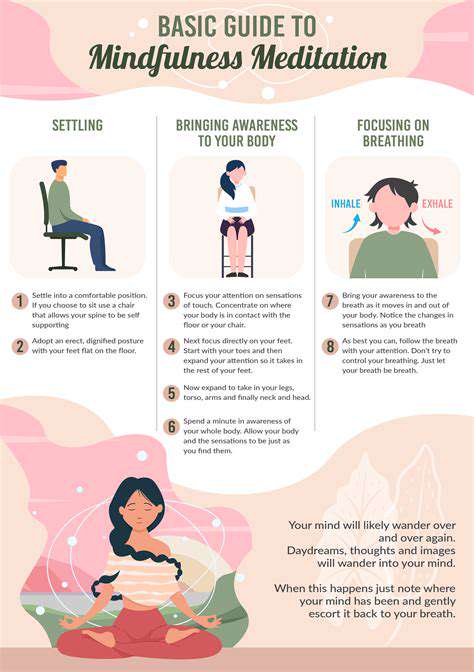
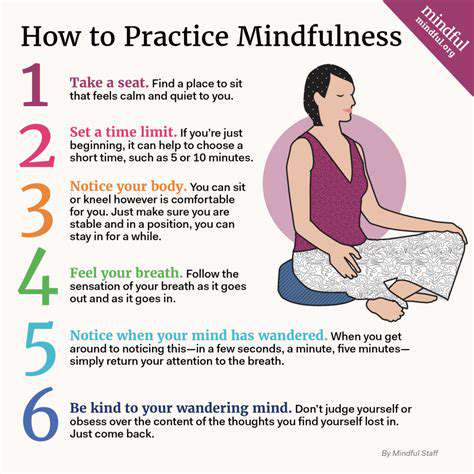
Mindfulness practices also play a crucial role in emotion regulation. These techniques involve cultivating awareness of the present moment, which can assist both children and adults in managing overwhelming emotions. For instance, studies show that mindfulness can lead to decreased reactivity during stress, making it a practical tool for parents looking to guide their children effectively during difficult moments. Simple breathing exercises or focused attention on sensory experiences can provide immediate relief and help restore emotional balance.
Building Resilience Through Skills Development
Developing resilience is essential for long-term emotion regulation. Engaging in activities that promote social skills, such as group sports or collaborative learning environments, can help children learn how to express their emotions constructively and empathize with others. Programs that focus on social-emotional learning (SEL) have been shown to have lasting positive effects. According to the Collaborative for Academic, Social, and Emotional Learning (CASEL), SEL programs can enhance students' academic performance while reducing behavioral issues.
Additionally, parents can play a pivotal role by modeling appropriate emotion regulation themselves. Demonstrating calmness when faced with challenges encourages children to mirror that behavior. The importance of consistent parental guidance cannot be overstated, as children are more likely to adopt emotion regulation strategies when they see them practiced by trusted adults. Further research reinforces that the parent-child relationship is a fundamental factor in developing these skills, emphasizing the need for supportive communication and a nurturing environment.
When to Seek Professional Help
Recognizing Warning Signs
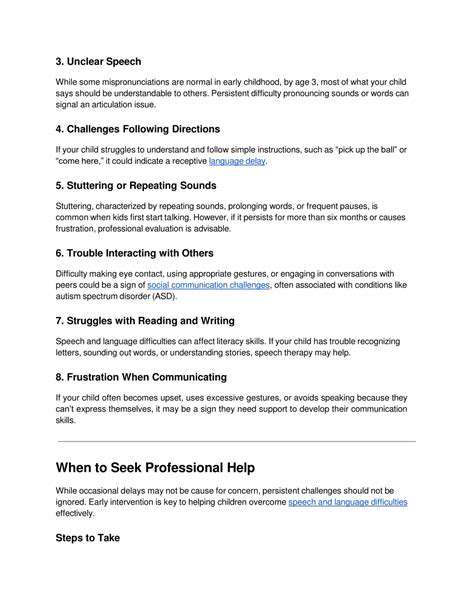
Understanding when to seek professional help begins with identifying key warning signs in your child's behavior. Frequent and intense tantrums that disrupt daily life can indicate underlying emotional or developmental issues. Parents should take note of the context in which these outbursts occur; for example, if tantrums arise in situations that previously did not trigger such reactions, it may suggest a need for further evaluation.
Other significant red flags include age-inappropriate behavior, such as a four-year-old having severe tantrums more typical of infants. Additionally, if tantrums escalate to aggression toward self or others, it may be time to consult a pediatrician or child psychologist for an assessment.
Consultation with Professionals
Reaching out for professional help can be a daunting decision, but it's crucial for understanding your child's needs. Pediatricians can offer guidance and help rule out any physical health issues contributing to the behavior. Child psychologists, on the other hand, specialize in behavioral assessments, leading to targeted treatment plans. They can assist in developing coping mechanisms and strategies tailored to your child's unique situation.
Behavioral Assessments and Interventions
- Structured assessments by psychologists identify specific behavioral patterns.
- Interventions may include parent training or therapy options.
- Long-term support can lead to improvements in emotional regulation.
Behavioral assessments can offer valuable insights into your child's emotional state. These evaluations often lead to tailored interventions such as cognitive-behavioral therapy, which has shown effectiveness in helping children develop more adaptive responses to stressors. Parents should approach these therapies with an open mind, knowing that progress can take time and patience.
Family Dynamics and Factors
Family dynamics play a significant role in a child’s emotional responses. Factors like parental stress, marital issues, or sibling rivalry can exacerbate behavioral problems. A comprehensive family approach can help address these issues holistically. For instance, family counseling may foster better communication among family members, making it easier for children to navigate conflicts and frustrations.
Educational Support and Resources
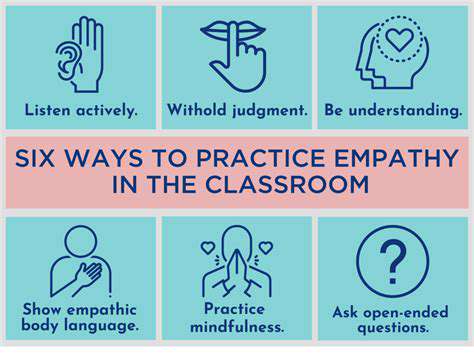
Collaborating with teachers and school counselors is essential, especially if tantrums manifest in educational settings. Schools often have resources or programs aimed at supporting children with behavioral needs. Parents should not hesitate to communicate concerns and advocate for their child. Establishing an Open dialogue with educators can lead to tailored strategies that benefit both the child and the classroom environment.
Utilizing community resources, such as local parenting workshops or support groups, can further aid parents in managing tantrums effectively. Such support networks can provide practical tips and shared experiences that help caregivers navigate these challenging moments with their children.
Read more about